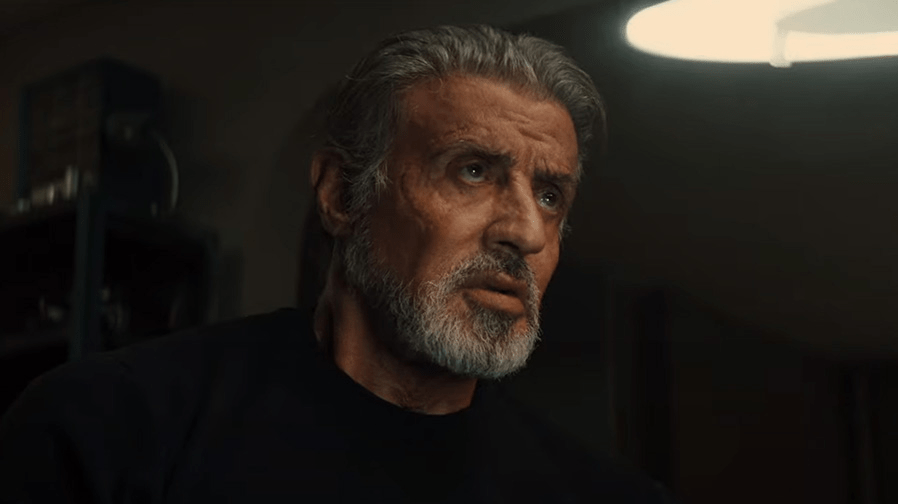
Samaritan is not your typical superhero film. It’s gritty and more of a love story between a reclusive father and a brave little child than a comic book extravaganza.
But that doesn’t mean there isn’t action because villains are still defeated and heroic deeds are still committed. Since it isn’t as extravagant as films in the MCU, you should still enjoy the film.
What does the Samaritan mean?
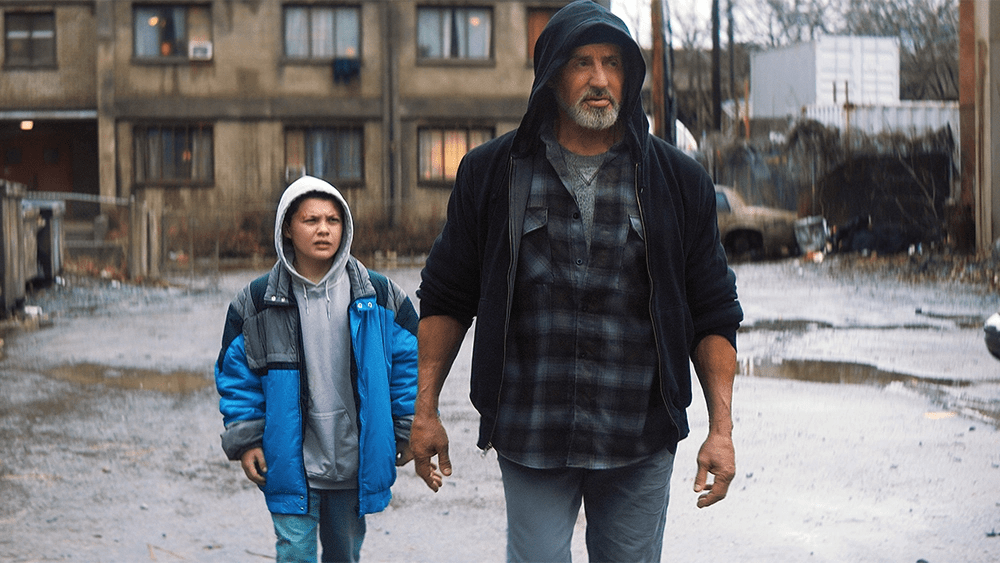
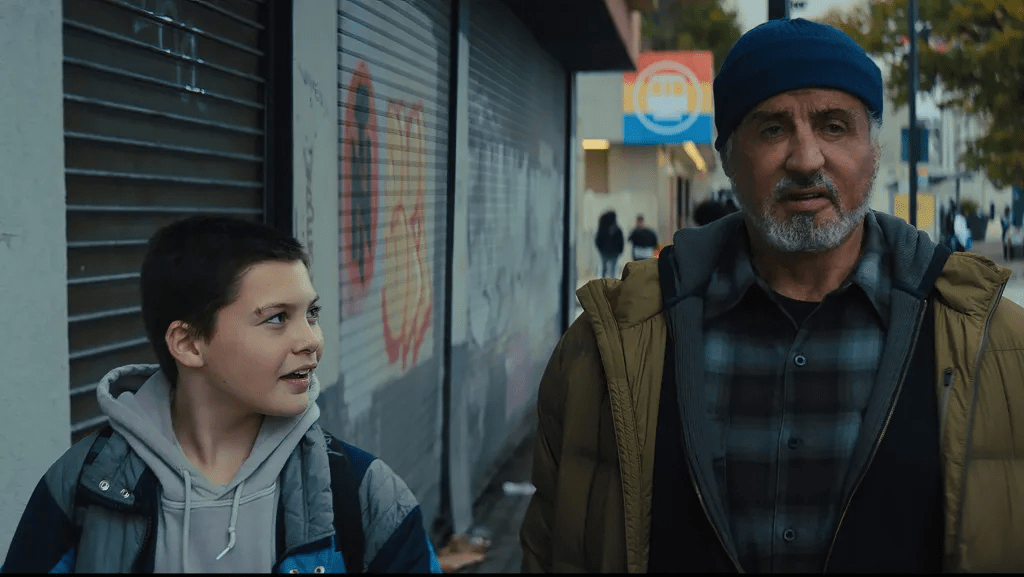
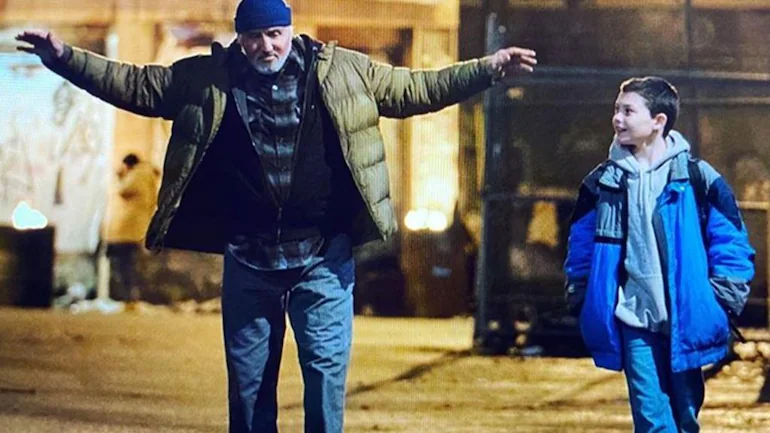
The main characters of the film are 13-year-old Sam and his neighbour Joe, who Sam believes to be a superhero who passed away years ago along with his evil twin brother Nemesis.
It quickly becomes apparent that Joe does possess superpowers, but is he really the superhero Sam believes him to be?
Who is Samaritan?
We hear about two super-powered siblings named Samaritan and Nemesis during the title sequence of the film. Presumably not their real names, the boys’ parents perished in a home fire started by neighbourhood people who were terrified of the boy’s destructive abilities.
The siblings managed to escape the fire, but instead of coming together as a result of the experience, they vowed to destroy one another.
While Nemesis, driven by rage, chose to exact retribution on Granite City and his brother, Samaritan chose to fight on the side of good and defend the citizens of Granite City.
In order to accomplish this, Nemesis detonated bombs throughout the city. The only thing that could damage his sibling was the magical hammer he also made.
In the opening credits, Samaritan is tricked into a trap by Nemesis, but instead of defeating his brother, it appears that both of them perish in a huge explosion.
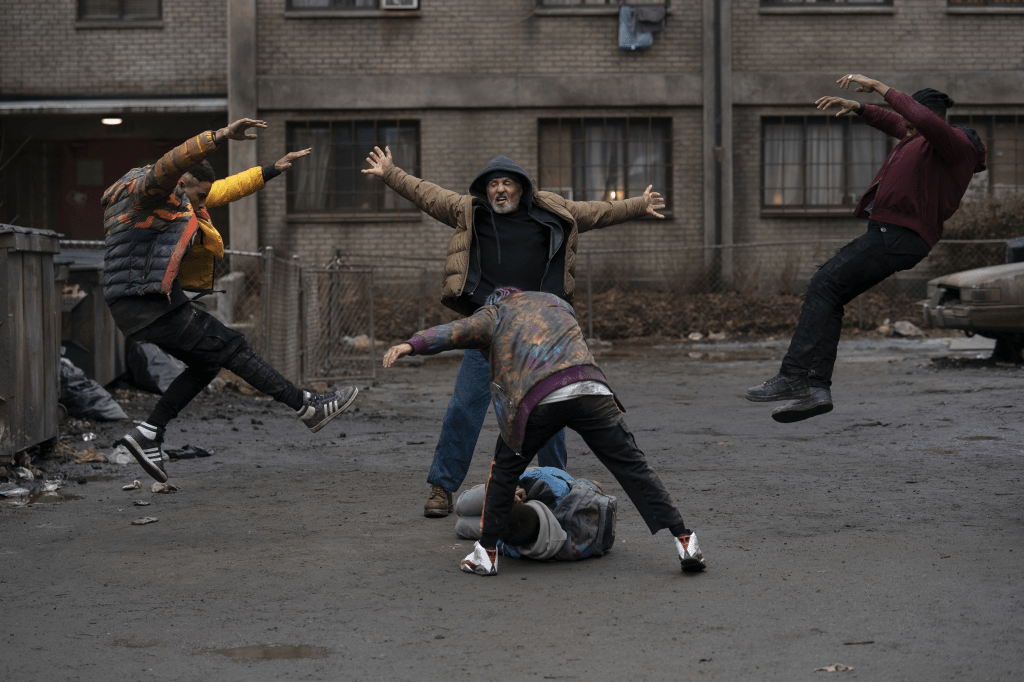
We get to see Sam, the youngster who still believes that Samaritan is alive, 25 years later. He begins to think that the solitary garbage guy, Joe, who lives in a nearby apartment complex, is the fabled superhero after Joe saves him from a group of thugs.
Not just Sam believes Joe is a good Samaritan. We also get to meet Cyrus, the local crime boss, and his gang.
Cyrus breaks into a police holding cell and escapes with Nemesis’ mask and hammer as part of his evil intentions to turn Granite City into a criminal superpower.
They also begin to think that Joe is a Samaritan when Cyrus’s men attempt and fail to kill Joe with a racing automobile.
Yet, is Joe a true Good Samaritan? Or is he only a man who desires solitude?
Despite Sam’s efforts to persuade him to act heroically, we don’t learn his true identity until much later in the film. But when Sam is taken away by Cyrus, Joe is motivated to act, and we finally learn the truth about who he really is.
Is Joe the superhuman that everyone believed to be deceased?
Joe seems to be a kind Samaritan. He demonstrates his incredible power early in the film when he defends Sam from thugs. We also witness evidence of Joe’s superpowers when he enters Cyrus’s lair to save Sam. So is he a good Samaritan?
Cyrus, on the other hand, thinks otherwise and mocks Joe by referring to him as the “nice man, Samaritan.”
Joe replies, “You keep calling me the good guy, though. The good man is not me. The bad guy is me.
Does this imply that he is not a good Samaritan?
The last conflict between Samaritan and Nemesis is explored throughout the film, which then detours into the past. Samaritan appears to be in control, but when given the chance to kill Nemesis with the hammer, he declines and discards the weapon.
Unfortunately, an explosion causes the ceiling to fall and the structure they are battling on to begin to crumble. Nemesis is the final man standing after Samaritan appears to die in a fall. He takes off his disguise to reveal that he is Joe!
As a result, Joe isn’t the superman Sam and Cyrus thought he was. He really is Nemesis!
Joe/Nemesis defeats Cyrus and his thugs in the present while protecting Sam from more damage.
Sam, however, refuses to reveal Joe’s identity when asked about the person who saved him, only saying “Samaritan survives.”
Joe isn’t a superhero, so what gives?
He may not be the hero that everyone expected, but he still showed his courage by saving Sam. Even if Joe was/is the enemy, it is evident that he has a redeeming quality (despite the fact that we see him throwing Cyrus into a fire).
Good and bad “dwell in everyone’s heart,” he assures Sam, “and it will be up to you to make the proper choice.” This illustrates the hero/villain within everyone of us as well as Joe’s ambiguous moral compass.
Joe isn’t necessarily a superhero, but he also isn’t precisely the evil character that Nemesis was thought to be.
Of course, Joe does have a choice after Sam reveals that he is a Samaritan. He had two options: revert to his previous position as a garbage collector or adopt his late brother’s persona as a Samaritan.
Joe might develop into a full-fledged superhero if a sequel is ever revealed, despite the evil that still resides inside of him.
Everyone experiences times in their lives when they wonder if they had made a different decision, which is likely why this novel, which simultaneously analyses two parallel storylines, is so compelling.
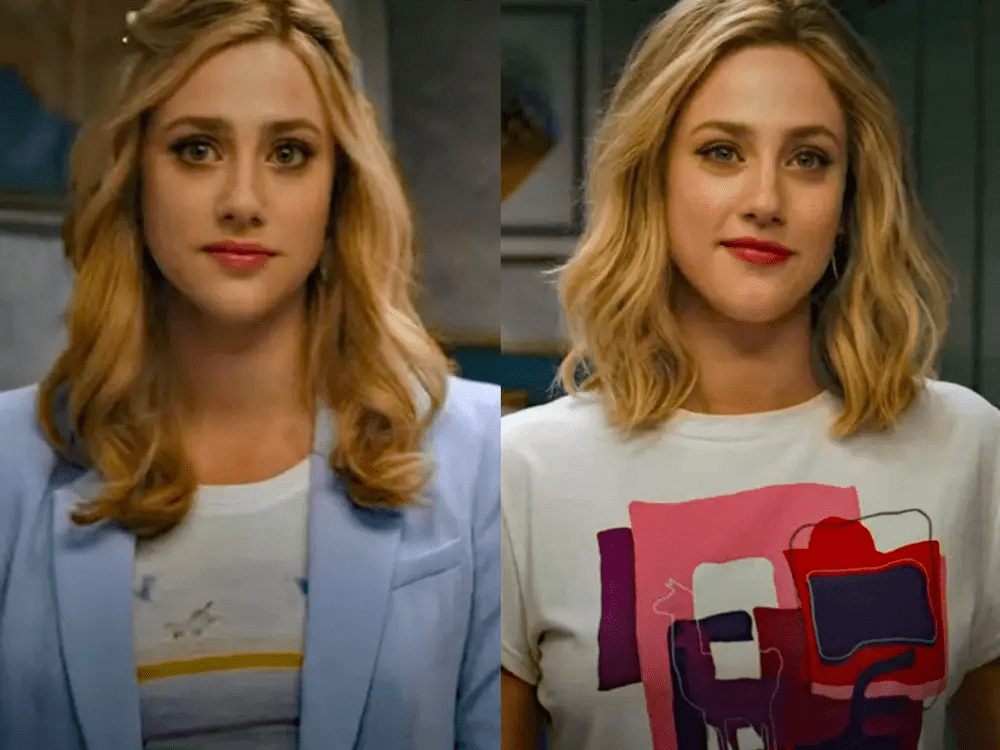
Look Both Ways uses the notion of “two roads divided in the yellow wood” to tell the story of a teenage animator named Natalie. She knows exactly what she wants and when she wants it to happen for her, and she has her life planned out for the next five years.
After graduating from college, Natalie wants to move in with her best buddy to Los Angeles. Her initial strategy involves moving to Los Angeles where she hopes to make a name for herself as a talented animator.
She and Gabe engage in an act of spontaneity on their last night of college, which results in them having sex. This causes Natalie to take a pregnancy test as the graduation party is in full swing outside.
Natalie’s life is split into two possible timelines, each of which depicts a plausible future, based on the results of her pregnancy test. We explore what this all implies because the film continuously jumps between two timelines.
Why does Natalie test positive for pregnancy?
The life of the main character in the film is simultaneously presented from two different angles. On the night before she receives her college diploma, Natalie appears to have an affair with Gabe, one of her classmates. She ends up throwing up on the ground at the graduation party as a result.
She might be pregnant or sick from the sushi at the gas station, which would take viewers on an expedition into two different realities: one in which the outcome is bad and the other in which it is good. Both scenarios produce messages that are encouraging, endearing, and significant.
What are the two parallel realities shown in Look Both Ways?
After a brief talk with Gabe in the alternate universe where the result is positive, Natalie decides to get pregnant. When she gets back home, her parents are upset and dismayed that their plans have changed. But when they settle down, they let Natalie stay with them so that she may help Natalie with the baby. Gabe is still actively involved and takes on his fair share of duties.
Natalie and her best friend Cara journey to Los Angeles in the parallel reality where the outcome is bad. She is hired by Lucy, her hero, and develops a deep bond with Jake, a talented young producer. Although she is unaware that plans might occasionally go awry, she thinks she is moving in the correct direction.
What difficulties does Natalie face?
Although Natalie, who is pregnant and decides to keep the baby, feels that this is the correct decision, she can’t help but regret not being able to relocate to LA and lead the life she had always wanted.
Instead of moving forward in her career, she has returned home and is in charge of a young child. She experiences the effects soon after becoming a mother and worries that her life is over. The focus of her universe is her daughter Rosie.
Additionally, her love life is a total mess. Even though she is undeniably in love with Gabe, she does not want to endanger Rosie’s current bond with them. She asks herself what would happen to their child if they started dating and then got divorced.
Because she can’t trust anyone with Rosie, Natalie can’t be among her pals. Natalie returns from a holiday earlier than anticipated. She challenges Gabe regarding leaving their child with a nanny.
He explains that he proposed to his girlfriend, which is why it took him so long to get home. Natalie, who is devastated by the news, ultimately resorts to working excessively as a coping method.
Even though Natalie is fortunate in landing a position with Lucy, her hero, in the parallel universe, it takes some time before she can present her employer with her portfolio.
When Natalie gets employed by Lucy, she quickly realises it’s not what she had hoped for because she spends nearly all of her time getting coffee rather than displaying her designs.
By this time, she already had dreams of becoming a well-known animator.
Additionally, Natalie had intended to fall in love, which she did with Jake. She entirely ignores the possibility that they might break up, which is what happens when Jake gets paid for his movie and has to spend six months in Nova Scotia.
Despite their best attempts, the couple’s romance begins to deteriorate as a result of their separation, and Natalie is fired from her position as Lucy’s employee.
How are the problems between the two worlds resolved?
The movie’s central theme is that, despite all the different paths life can take you down, each one has the potential to take you in the direction you want to go.
In one world, Natalie makes Night Owl, an animation based on her daughter, in response to Lucy criticising her work. She is then asked to take part in a panel discussion at SXSW. To demonstrate their support for Natalie, Gabe, their child, and Natalie’s parents all go.
Gabe and Natalie have a talk after Gabe and his band perform at the festival. He explains that after becoming engaged, he and his ex-girlfriend broke up. Each of them acknowledges their feelings for the other.
In addition, Natalie shows her tiredness by fretting about what might go wrong. Natalie makes the decision to give Gabe a chance and ultimately confesses her affections for him.
In both realms, Natalie achieves success through her efforts. So, she doesn’t follow the five-year plan in either case, but she makes a movie and publishes it. She also enjoys and finds love in both circumstances. They both reignite their romance after Jake follows her voicemail to check out her craft at the festival and returns.
What timeframe did Natalie’s narrative actually take place in?
At the film’s conclusion, when the couples make their way to Natalie’s former sorority house, the site of the feared pregnancy test, the two very different realities unite.
Natalie reassures herself as she approaches the mirror that she is fine and that, no matter what happens, everything will be well in the end.
Nobody can predict with certainty which of the timelines will come to pass, but that is part of the movie’s lesson: Despite challenges and available solutions, things will always manage to come together.
Both forms of reality present challenges to the main character. Natalie’s five-year plan is abandoned in both situations, but for quite different reasons, in addition to facing fundamentally different challenges.
Even though the two realities take her down different paths, Natalie uses the life experience from both to pursue her ultimate goal of becoming an artist. Despite not moving to LA or having experienced her idols’ rejection, she still succeeds in completing the task she set out to complete from the beginning.
Despite her negative pregnancy test results, Natalie still has a great job and a partner she adores. Her positive test result leaves her with a loving partner, a rewarding career, and a child who acted as a motivation for her line of work.
One of Netflix’s best original films is a wild action romp.
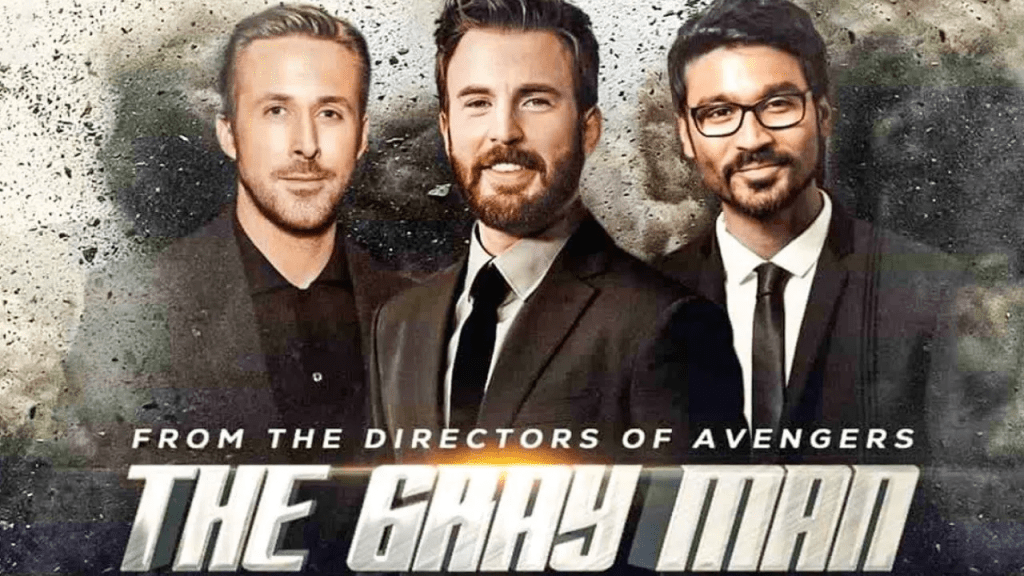
Directors Although Joe and Anthony Russo have enjoyed considerable success within the MCU, their careers outside of the comic book movies they have adapted for the screen haven’t exactly been filled with box office hits.
Although their debut film, Welcome To Collinwood, featured George Clooney, it wasn’t exactly a box office success. Additionally, You, Me, and Dupree, a comedy featuring Owen-Wilson and their second film under their direction, was a really lacklustre effort that failed to make audiences laugh.
Thankfully, Captain America: Winter Soldier, their next release, was fantastic. The successful Avengers films that followed marked the conclusion of Phase 3 of the Marvel Cinematic Universe. Because of these triumphs, there were very high expectations for their subsequent film, Cherry, but despite my own enjoyment of it, few critics agreed with me.
How about The Gray Man, then? Expectations were high, but there was no guarantee that this would be an Avengers-style smash because most of the directors’ films outside of the MCU have underwhelmed.
Fortunately, I’m delighted to inform that their most recent film is actually rather enjoyable. If you want spy thrillers with lots of action, it’s not quite on the same level as their superhero extravaganzas but it is undoubtedly an improvement over their prior films.
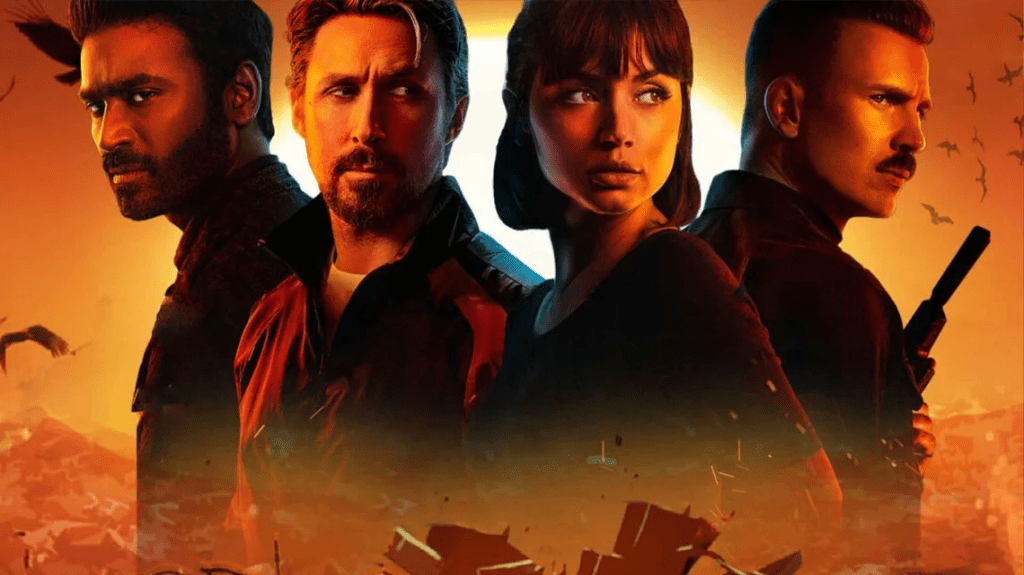
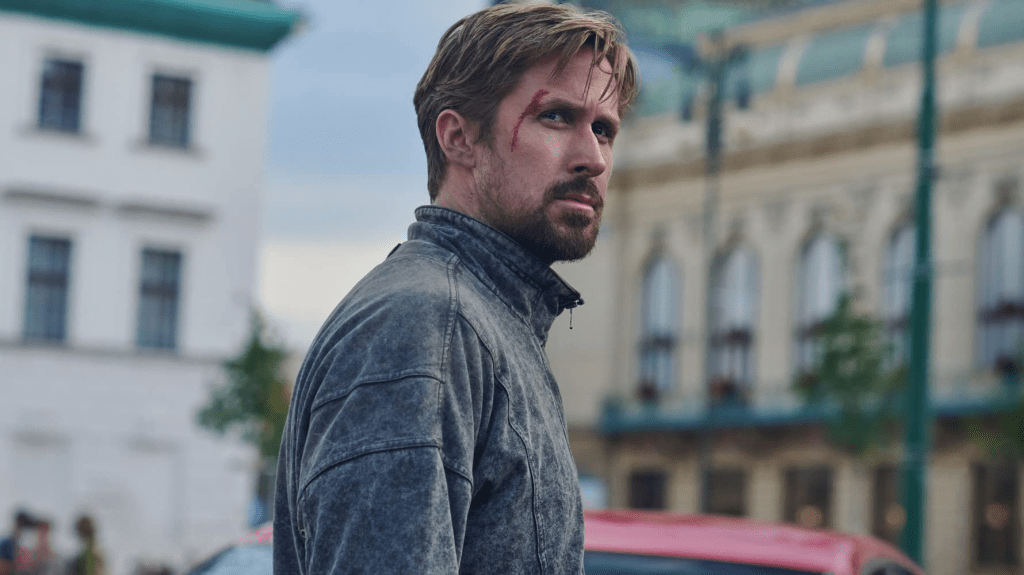
If Ryan Gosling is a favourite of yours, you’ll have even more incentive to watch this action-packed adventure as Sierra 6, the super-slick murdering machine played by Courtland Gentry, Sierra 6.
The plot is the weakest aspect of the film because it adheres rigidly to formula and contains few surprises. The CIA recruits and trains Gosling’s character, who is initially serving a murder sentence in jail, to secretly eliminate the vicious bad individuals that Uncle Sam wants to get rid of.
However, as is customary in films of this kind, he is ultimately forced to go rogue when the agency turns against him (for reasons I won’t reveal here for fear of spoilers) and he must battle for his life when a mercenary is dispatched to eliminate him by any means necessary.
Agent plotlines.
This concept has been used in the Mission Impossible and Bourne films, and many other films, such as Salt and Licence to Kill, have contained rogue agent plotlines.
The Gray Man, luckily, is able to rise above its stale plot with some memorable action sequences. Of course, there is nothing wrong with a movie being predictable if it can stand out in other ways.
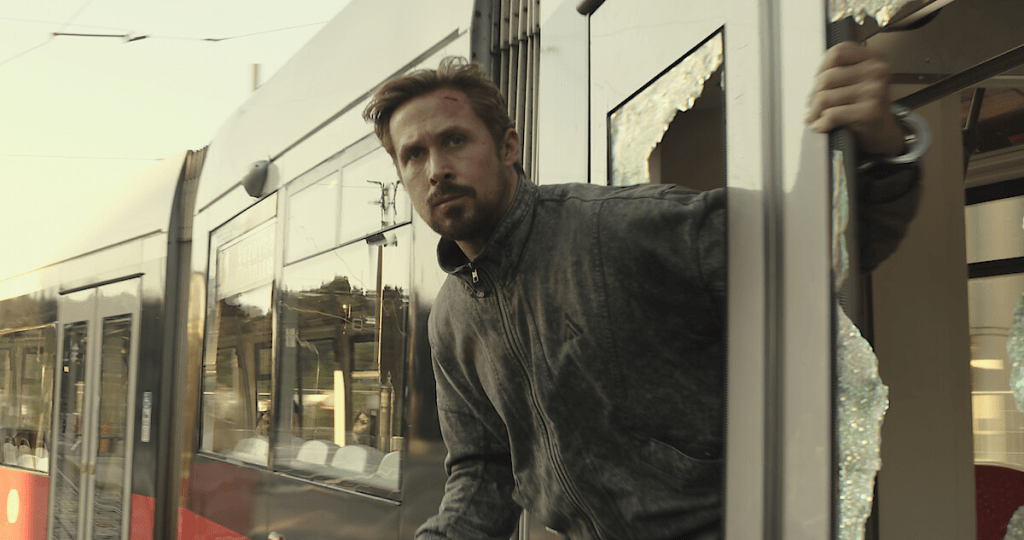
Following a sequence where Gentry escapes from the police after being shackled to a bench at the beginning of the film, we get a chase scene through Prague filled with bullets, followed by more thrilling action scenes both on the ground and in the air.
Gosling does a fantastic job, and in some of the most exciting parts of the film, he manages to compete with John Wick. He is intriguing to watch as he confronts bad men, bonds with a girl he was once a protector for, and struts around the screen in a snappy scarlet suit looking every inch the badass that he was trained to be. He is credible as both an action hero and a troubled soul with a horrible family history.
Big action star
There is currently no information available regarding a sequel to this film, but if Netflix viewers find it to be a success, it may be the beginning of a very intriguing franchise. There are presently 10 books about Courtland Gentry (and at least one more is in the works), so there is definitely enough for Gosling to become the next big action star.
It would be a letdown if this was his sole turn as the slick assassin of the title; he has the skills and the looks to rival Bond, Bourne, and all of the other heroes who have graced our screens.
Gosling isn’t the only actor to stand out in the film; Chris Evans also does a commendable job as Lloyd Hansen, a mercenary hired by Regé-Jean Page’s Carmichael, a dubious character operating at the highest levels of the CIA, to kill him.
Evans is properly slimy and smarmy as Hansen, which is the exact opposite of the Captain America persona he has now come to be most closely identified with. Hansen doesn’t have as much background as Gentry does, but this rarely matters because we care more about him getting his ass kicked than finding out about his prior professional accomplishments.
Evans and Ana de Armas, who plays CIA operative Dani Miranda and steps up to back Gentry when he becomes rogue, both deliver in the action stakes. Although she has other concerns, such as some shady activities inside her department, these pale in comparison to the action she and her male co-stars engage in.
At many ways, this is a summer popcorn film that is better enjoyed at home than in a theatre, but you may have the choice to do so because it has also been given a theatrical release.
It’s undoubtedly one of the best Netflix Original films the streaming service has invested in, and it’s much less cheesy than the similarly big-budget Red Notice, which was an entertaining but pointless action thriller.
The skilled direction
This one stands out because to its excellent cast, which also features Alfre Woodard and Billy Bob Thornton, and the skilled direction of the Russo Brothers, who create several thrilling set-pieces.
Despite the old plot aspects that some may find irritating, this film is mostly pleasant to see and may be recommended, even though it will never be regarded as an action masterpiece.
If you don’t expect a lot of wits over brawn, you might have as much fun with this as I did. It’s one of Netflix’s more expensive films, but for once, the high production expenditures and our higher subscription rates are justified.
Who is the Marvel movies’ strongest wizard? Here are the 11 characters who have the most magical power as of the writing of this article! Anyone?
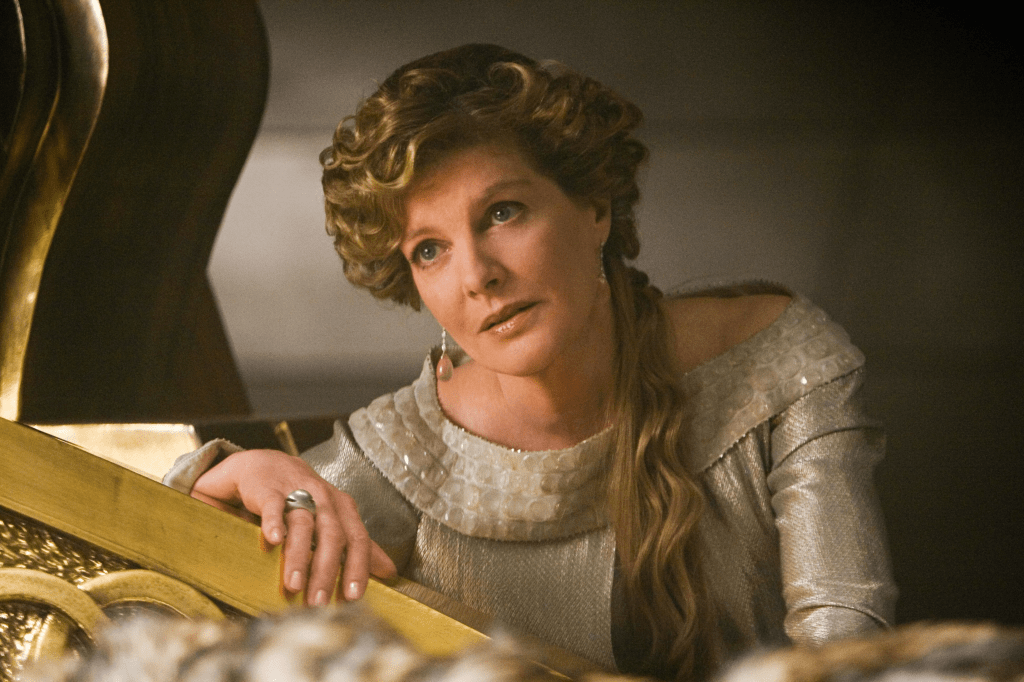
11. Frigga
This Frigga had extensive magic training because he had been raised by wizards from an early age. Additionally, it was he who taught Loki magic.
This Frigga is skilled with a sword in addition to magic, as evidenced by his battle with Malekith.
Unfortunately, Frigga’s magical ability feels underrepresented in Marvel movies, therefore I can’t rate her higher. Although he is undoubtedly stronger than any of the Earth magicians I’ve listed on this list because of his Asgardian rank.
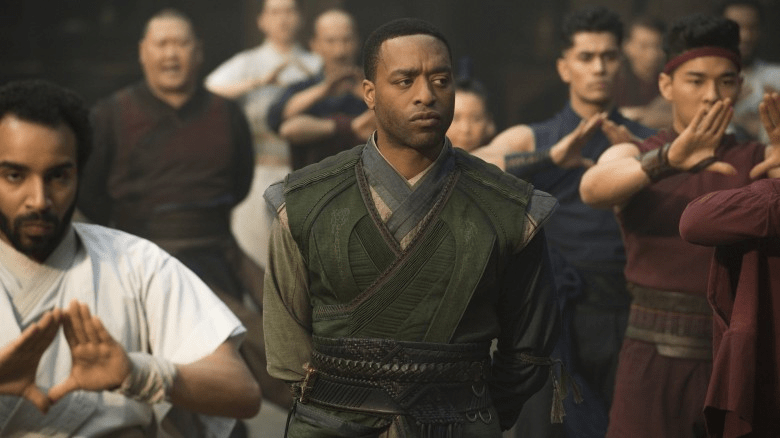
10. Wong
In a novel revelation, Spider-Man: No Way Home reveals that Wong was the MCU’s Sorcerer Supreme at the moment.
Given this information, Wong’s part in the Shang-Chi movie’s mid-credits discussion of the Ten Rings of Shang-Chi makes sense. He was in authority of such matters because he was the Sorcerer Supreme and not Strange.
This Wong is a responsible and disciplined individual. His overall might and magical capabilities, however, still feel inferior to those of Mordo and Strange.
9. Mordo
One of the wizards in Doctor Strange whose skills really stand out is Mordo.
He also exhibits the alluring potential of appropriating other people’s magical talents in Doctor Strange’s climactic scene. The issue is that he abuses that power by stealing magic from Jonathan Pangborn and other non-threatening individuals.
Therefore, it’s intriguing to see what Mordo does in Doctor Strange in the Multiverse of Madness.
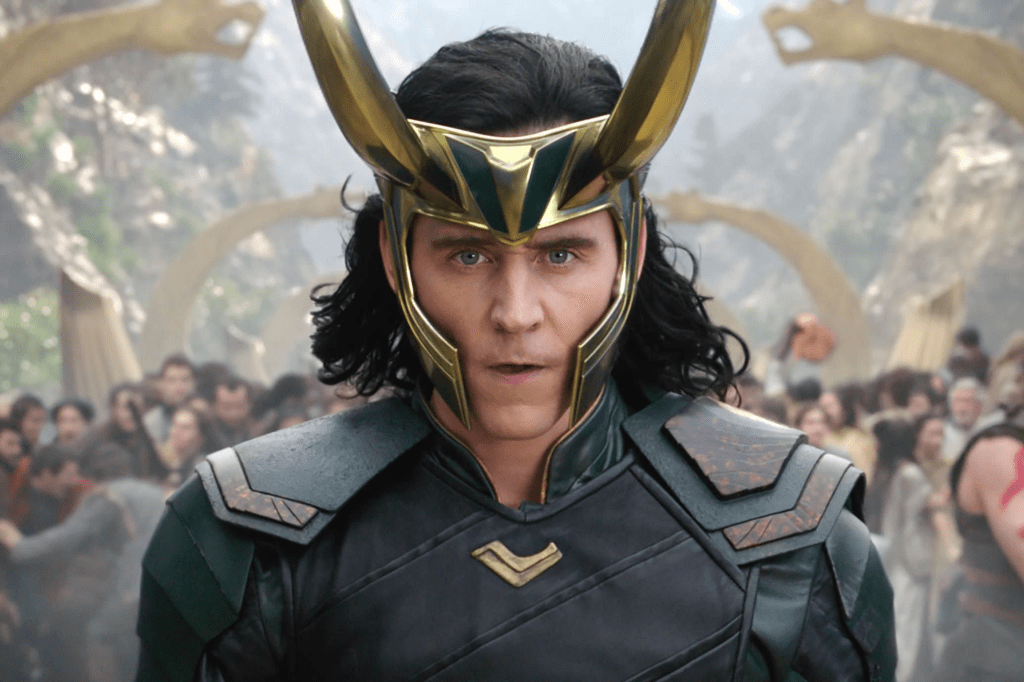
8. Loki (L1130 Variant)
The Loki L1130 variety is the variant who evolved into the Loki series’ primary protagonist.
He is essentially the Loki from the Avengers (2012) era who had a different ending.
The Loki L1130 version is still alive right now, unlike the original Loki. Therefore, even though Loki’s illusion power now lags behind the Classic Loki variant, he may still be able to advance.
He may have been motivated by Classic Loki’s deeds to perform more amazing magic in Season 2 of the Loki series.
Laevateinn, the blade Kid Loki gave him so he could better defend himself in combat, should also still be in his possession.
7. Kaecillius
Kaecillius had been revered as a powerful mage even before he attained the might of Dormammu.
He then obtains strength from Dormammu and develops into a wizard with the ability to combat the Ancient One.
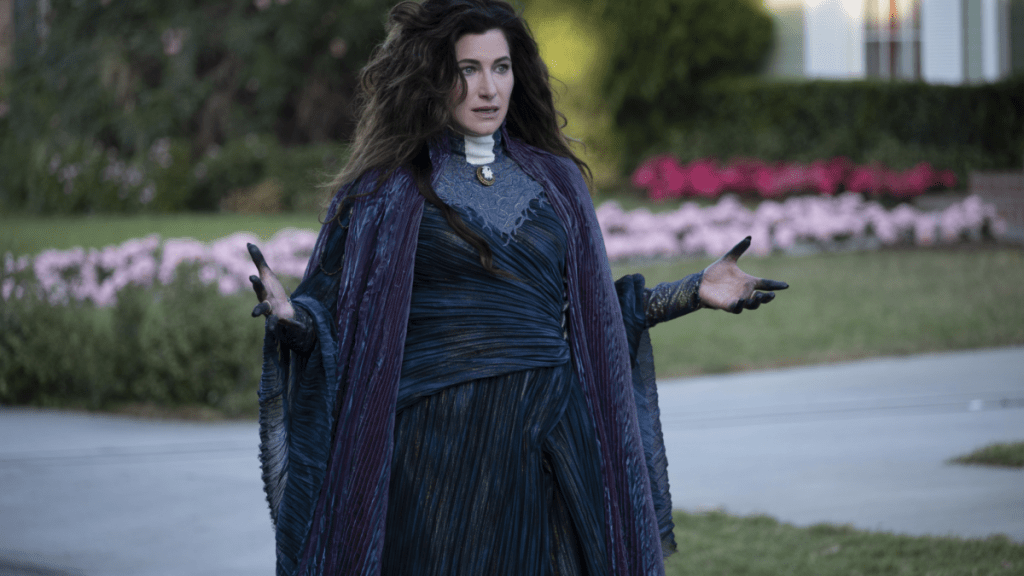
6. Agatha Harkness
On WandaVision, Agatha Harkness is a desirable adversary for Wanda Maximoff.
Agatha Harkness is someone who is already familiar with the techniques and practises of witchcraft, in contrast to Wanda, who has great potential but has not undergone any magical training.
Unfortunately, Agatha was unable to defeat Wanda in the end.
5. The Old Loki
All Loki possess intriguing magical prowess. But Classic Loki uses illusion magic to draw Alioth’s attention by building a flawless replica of Asgard, something that even Loki (variant L1130) and Sylvie don’t seem to be able to do yet.
Also claiming to be able to fool Thanos so expertly is this Loki. He can therefore live a long life.
He can disguise himself as debris, but Thanos merely kills an illusion of himself, similar to the circumstance at the beginning of Infinity War.
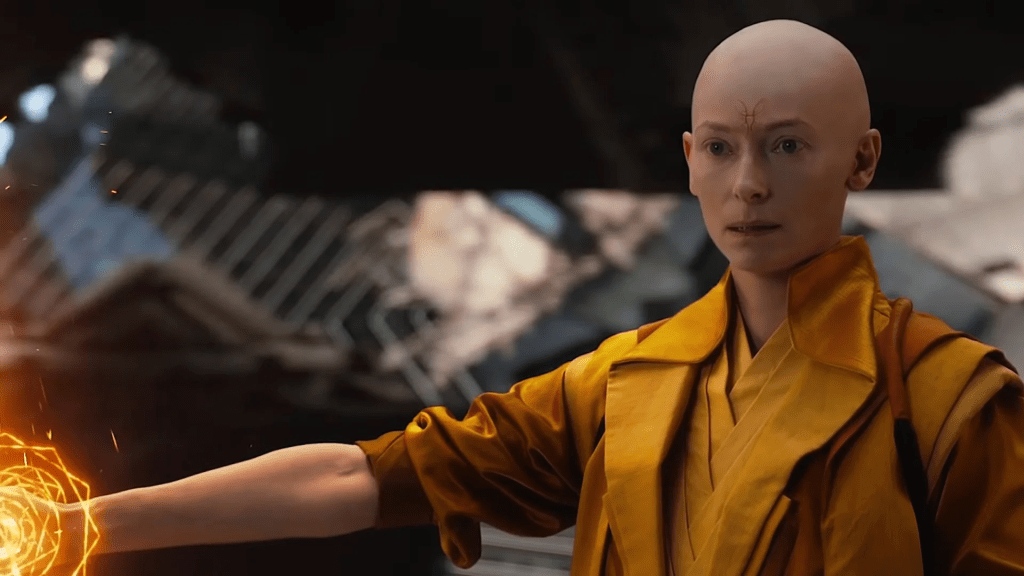
4. Old Person
The Ancient One seemed to be the most skilled and powerful magician in the Marvel movies until Wanda and Stephen Strange rose to wizarding prominence.
Because the Ancient One is thought to be 700 years old, he may even be more experienced than Strange until the conclusion of his life. Even so, Strange had the creative potential to outgrow this tutor.
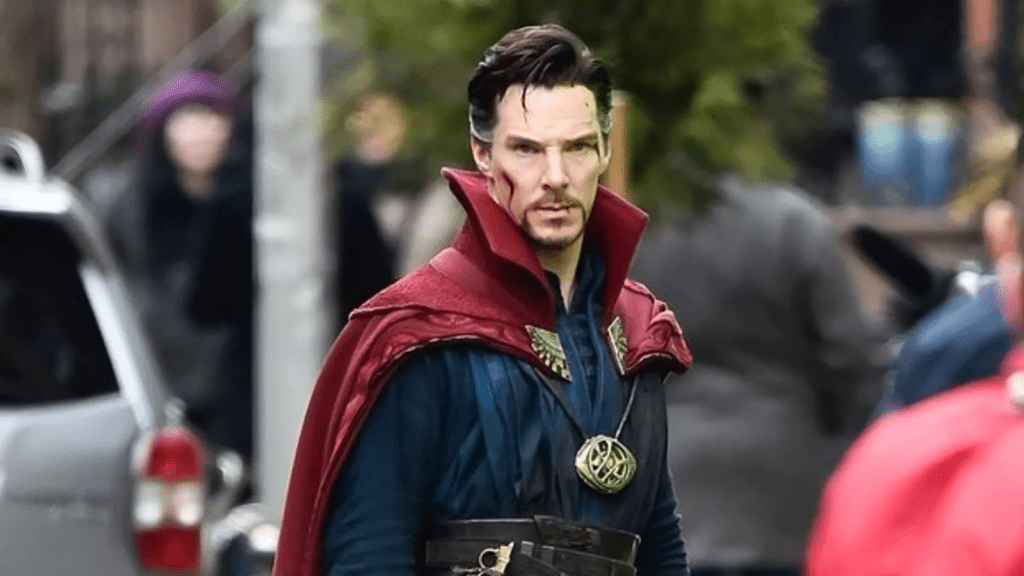
3. Doctor Strange
One of the most potent wizards in the Marvel film universe is Stephen Strange. He is not afraid to use the magnificent powers he is familiar with.
Strange occasionally feels more inventive than Ancient One. He could also develop into a stronger person.
For the time being, Strange’s issue is that he misplaced the Time Stone following Infinity War. He couldn’t have used time-travelling techniques against Dormmamu without it. Or what Strange Supreme, in his interpretation of an other reality, was capable of.
Nevertheless, he is still active as demonstrated by Doctor Strange in the Multiverse of Madness.
Darkhold even taught him a new trick.
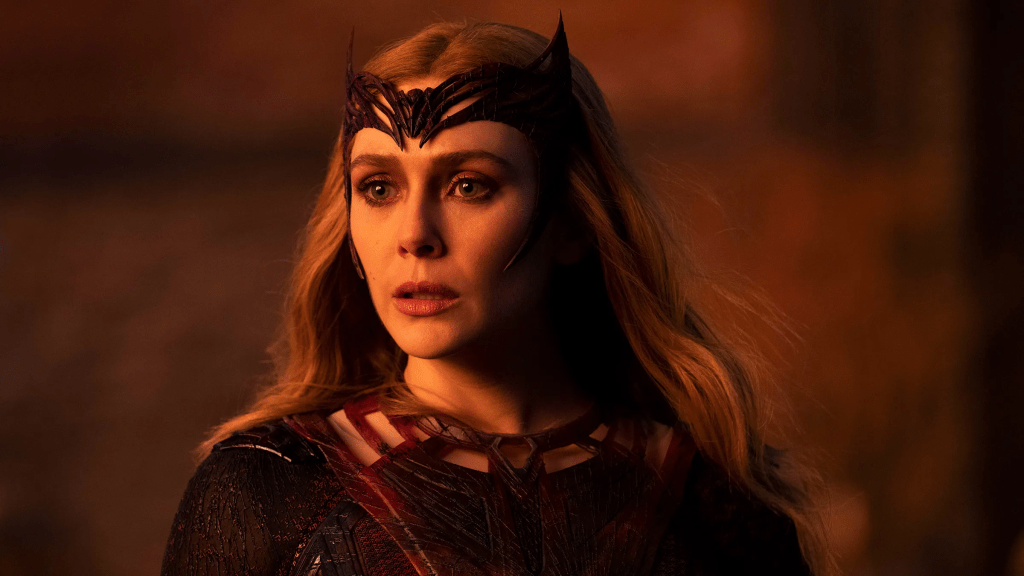
2. Wanda Maximoff
Since before WandaVision, Wanda Maximoff has felt like one of the most potent witches in the world. especially given that Thor can confront Thanos on his own in Endgame.
Then Wanda’s Scarlet Witch abilities appeared to be fully developed and she appeared to comprehend magic better in WandaVision.
Wanda also developed into one of the films’ most powerful magicians.
Wanda is difficult to stop, which is confirmed in Doctor Strange in the Multiverse of Madness.
In fact, I believe he is the strongest magician if we simply consider the live-action version (excluding What If?)
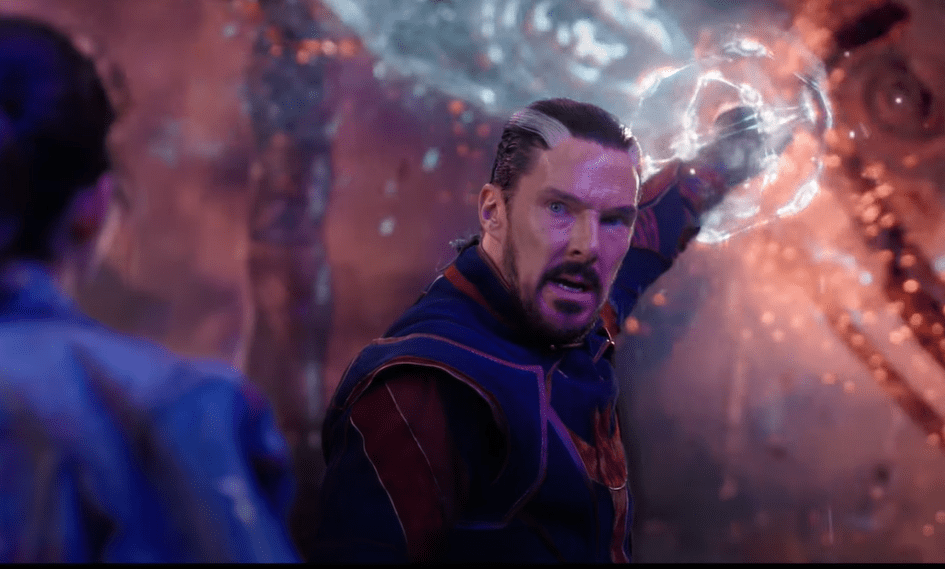
1. Strange Supreme
The version of Doctor Strange that feels the most powerful is Strange Supreme. In order to save Christine Palmer, Doctor Strange has absorbed a number of supernatural creatures.
In fact, he no longer seems like a human to me, but like a monster.
Strange Supreme won the Most Valuable Player award when the Guardians of the Multiverse faced Ultron. One of his most enduring deeds was to grant protection magic to all the Guardians so they could withstand Ultron’s attacks.
Another instance is when Ultron attempts to destroy the galaxy he is battling in, but Strange Supreme reverses time and absorbs the blast.
The Time Stone is still in Strange Supreme’s possession as well. He could still use time travel to his advantage.
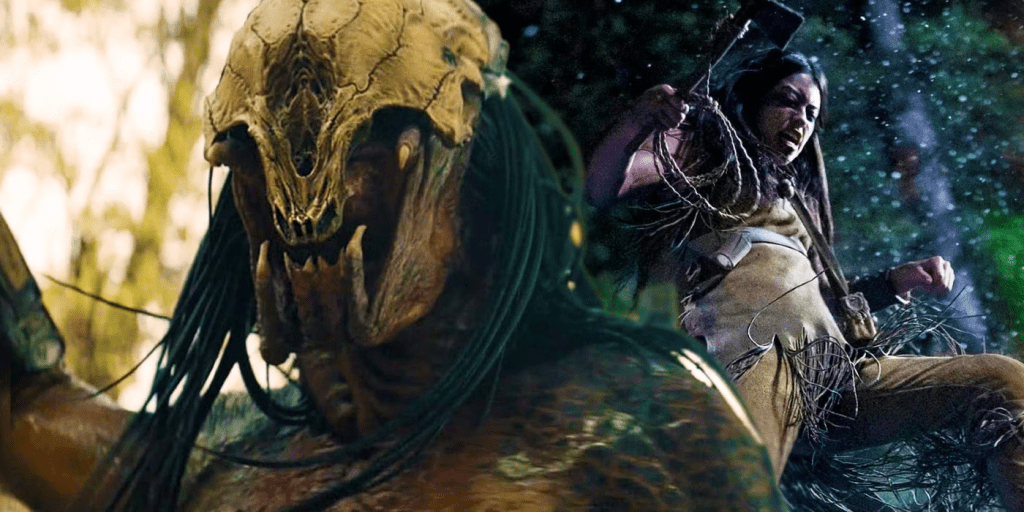
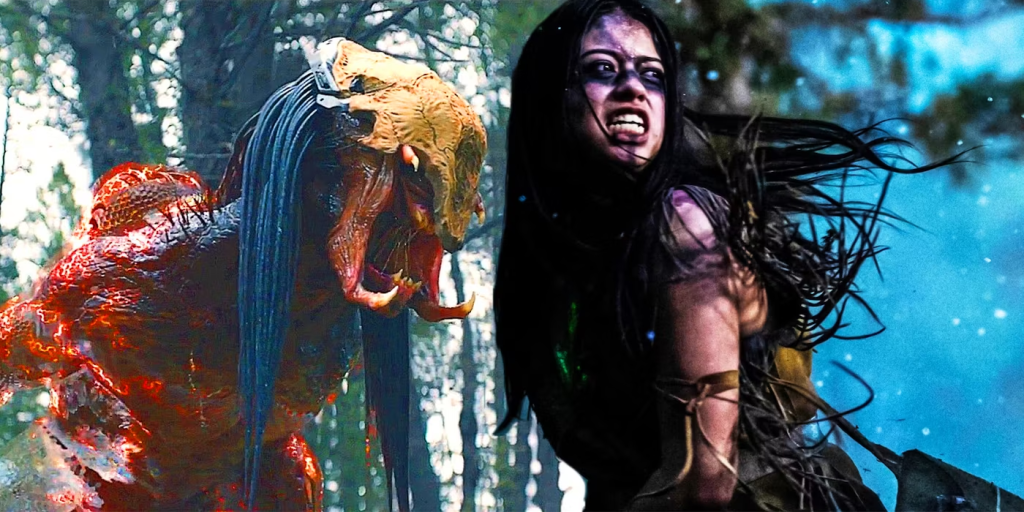
Prey, which takes place in 1719, tells the tale of Naru, a Comanche tribeswoman determined to defy her tribe’s patriarchal traditions and become a warrior.
When a new threat emerges, she is given the chance to demonstrate her value. Naturally, neither a rival tribe nor an animal pose a threat at this time. It’s a Predator that has descended from the sky, probably on a mission to hunt out humanity, which is at the top of the food chain on Earth.
Is the Predator defeated by Naru? Or does she succumb to this warrior who is far more skilled? Let’s examine the movie more closely.
Is Naru a capable foe?
If you’ve seen the franchise’s earlier films, you’ll be aware that the Predator is a challenging opponent to defeat. Its superior alien weapons, invisibility abilities, and thermal vision make it extremely unlikely for anyone to survive a confrontation with it.
This is undoubtedly the case in this film, because the Predator kills multiple members of Naru’s tribe. In its search for a worthy foe, the extraterrestrial also vanquishes a bear and some French trappers.
Fortunately, although being smaller and weaker in stature than the alien, Naru is a worthy opponent since she is far intelligent than her tribespeople had believed.
She observes the Predator throughout the film, learns about its attack techniques, and comes to a few realisations. She discovers that the alien is unable to track the movement of someone whose body temperature has dropped after administering an herbal mixture to one of her tribespeople who has been hurt during combat.
She also understands that when the Predator fires the projectiles that kill its enemies, it depends on the tracking system of its helmet.
Her intelligence makes her a formidable foe, and in her final conflict with the Predator, she applies what she has learned.
Is the Predator defeated by Naru?
Most of Naru’s tribespeople are killed by the Predator, including her brother Tabbe, who gives his life to shield his sister from the extraterrestrial.
Thankfully, Naru is more difficult to kill than those who have gone before her. She is successful in luring the Predator to her location with her trapped prey—one of the French trappers—due to her desire to protect her tribe and exact revenge on her brother.
After the Predator kills the trapper, she consumes the herbal concoction that makes her body cooler in order to become invisible, and she then uses the trapper’s gun to shoot the Predator’s helmet off.
She then dashes into the forest with the helmet in hand and hides at the top of a tree to wait for the extraterrestrial. When it does, she leaps down from above and uses her sharpened sword to inflict as much harm as she can on the Predator.
The two fighters engage in a bloody brawl, and the Predator’s shield nearly causes Naru to lose his head. Before she turns into a headless corpse, Naru is able to hack at it one more. She then cuts at its arm before severing it entirely.
The Predator eventually gets dragged by Naru into a marsh, where it gets stranded. This is as far as you go, Naru says the Predator as it tries to free itself from the muck. Naru uses the tracking system in the Predator’s helmet to deflect the incoming missiles towards her enemy when it shoots at her. As a result, the Predator is killed, and Naru triumphs.
Naru and her group are they secure?
Despite the Predator’s death, Naru and her people are still under danger. She informs the tribe of the remaining trappers that are nearby as she returns with her prize—the head of the Predator. They need to be concerned about more than just this human danger, though.
An animated recap of the movie’s events appears during the final credits. However, there is a scene we missed at the end of the credits: Naru gazing up at another Predator spacecraft!
Could this be the prelude to a follow-up? It is doable. If other Predators regard Naru as a capable foe, they might be eager to engage her in combat, which could serve as the impetus for Prey 2 if the higher ups decide to make it happen.
Day Shift is undoubtedly going to appeal to you if you like vampire movies with lots of action.
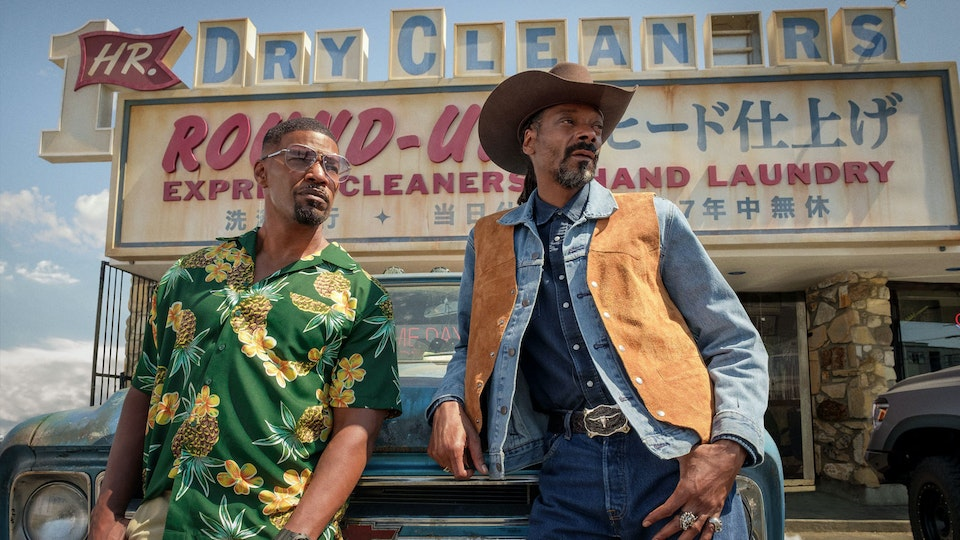
In the newest Netflix film starring Jamie Foxx, Bud Jablonski is a working-class father who purportedly works as a pool cleaner to help support his family and pay for his daughter’s school.
He’s not even a pool cleaner, as the audience learns early on in the film. Bud’s true calling is revealed as he decimates an elderly woman who turns out to be a vampire: he hunts vampires!
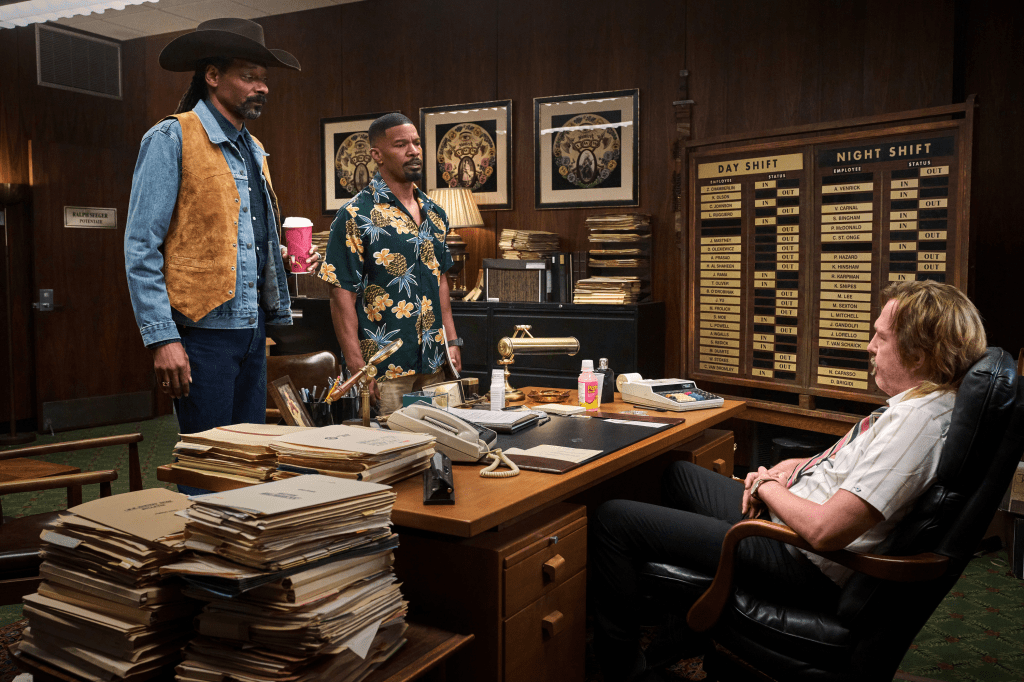
Bud, regrettably, is not above flouting the laws governing his industry, which irritates the union to which he is answerable. Bud’s employment is in jeopardy when union boss Ralph confronts him about disobeying the rules.
Thankfully, Big John Elliot (Snoop Dog), an old buddy and fellow vampire slayer, shows up on the scene and puts in a good word for Bud with the pencil-pushing union leader.
Bud is able to keep his job thanks to Big John’s intervention, however he must put up with union worker Seth (Dave Franco), who is tasked with monitoring his adherence to union protocol.
Bud and Seth explore LA together, kill a tonne of vampires, and occasionally collaborate with other vampire hunters. One of these is Big John himself, but the cowboy-hatted badass loses his life in the course of the film. …or does he? He appears to die in a scene, but just before the end credits begin to roll, he reappears from a sewer.
How, then, did Big John endure? Let’s examine the movie more closely.
Why do vampires exist in LA?
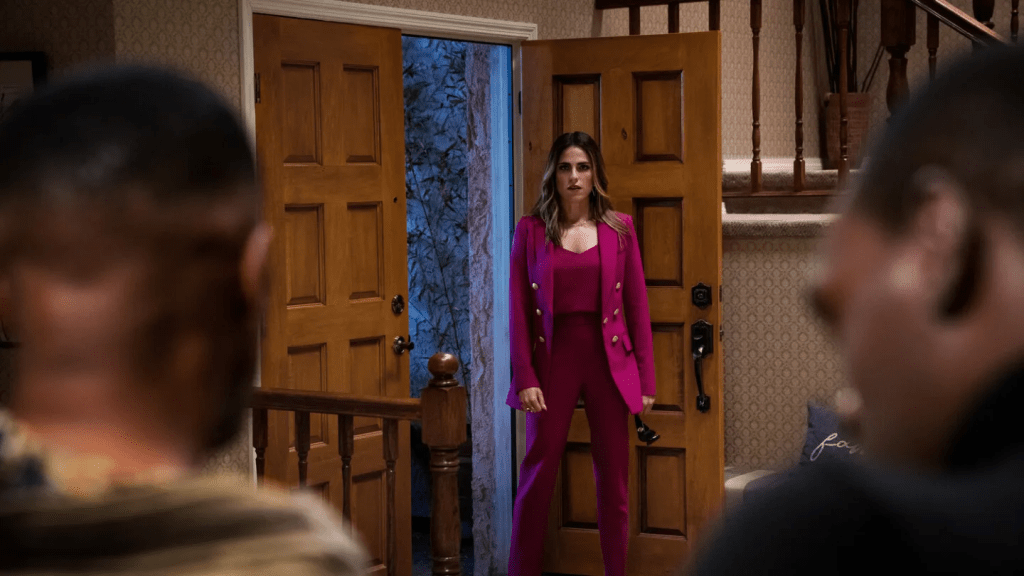
Audrey, a local realtor, has been purchasing local homes and relocating vampires inside of them. Why? It turns out that she is a vampire herself, and that she has begun transforming humans into vampires in order to increase the number of bloodsuckers in LA since she is concerned that the vampire population has been declining.
Thankfully, not all vampires are malicious. Bud meets both bad and nice people, however he certainly has his hands full with fanged monsters of the worst type. These people include his next-door neighbour Heather and, regrettably, his brand-new teammate Seth, who turns into a vampire during one of their missions.
Fortunately, Bud doesn’t pierce Heather and Seth’s hearts, though he does decapitate Seth out of impulse after realising what the unfortunate young man has become. Seth returns to the scene quickly after reattaching his head to his body, despite nearly losing it again during a particularly jarring car ride with Bud.
Bud needs all the assistance he can get when Audrey kidnaps his ex-wife and daughter, so it’s a good thing that Seth and Heather agree to assist him with his vampire-slaying mission.
What motivates Audrey to kidnap Bud’s family?
Do you recall the elderly woman who Bud killed at the beginning of the movie? She turned out to be Audrey’s daughter while appearing to be much older than Audrey, which motivates Audrey to seek revenge on Bud. She kidnaps Bud’s family as part of her vengeance, which prompts him to pursue her together with his fang-toothed pals Heather and Seth.
Unfortunately, Bud and his pals are under attack by a horde of the undead, making it difficult for them to penetrate inside Audrey’s lair. Big John arrives on the scene to save Bud’s neck for a second time, but before they meet a gory end, he takes out the filthy creatures with a powerful chain gun.
Big John’s selfless deed has repercussions. One of the bloodsuckers bites him in the neck, but instead of becoming a vampire himself, he blows himself up with a massive bomb, eliminating every other vampire around and giving Bud the opportunity to flee.
Bud does he save his family?
Yes! Bud and Audrey have a last confrontation during which Bud sets up a wired trap that kills the villainous realtor. His family is then reunited with him, and they learn that he isn’t actually a pool cleaner after all.
Bud is able to reconcile with his ex-wife and use the proceeds from Audrey’s murder to cover his daughter’s college expenses. For him and his family, the story has a happy ending, but what about Big John? Is he actually gone? He makes an appearance at the end of the film, so it would seem not. How did he survive, then?
What keeps Big John alive?
It’s unclear how Big John managed to survive the explosion. It’s possible that Big John was able to put himself back together in the same way that Seth was able to. He probably turned into a bloodsucker himself after being bitten by a vampire, being able to withstand almost anything that wasn’t a cross or a gunshot.
It obviously depends on the kind of explosive Big John used. It could have been a UV bomb instead of a conventional bomb, which would have done a better job of eliminating the sun-allergic vampires. This is probably why he would have survived that kind of blow, since he wasn’t fully converted at that moment.
Despite our presumption that Big John turned into a vampire, we are yet unsure of this. That’s what I love about LA,” he says in his last line of speech after emerging from the sewage and smoking a marijuana. Vampires, damn vampires
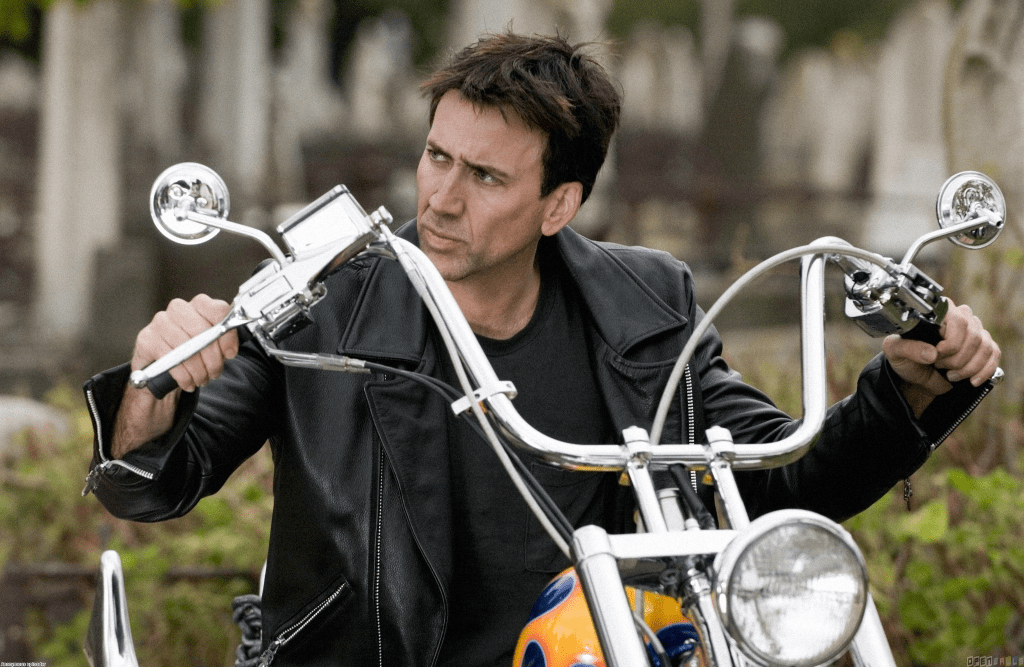
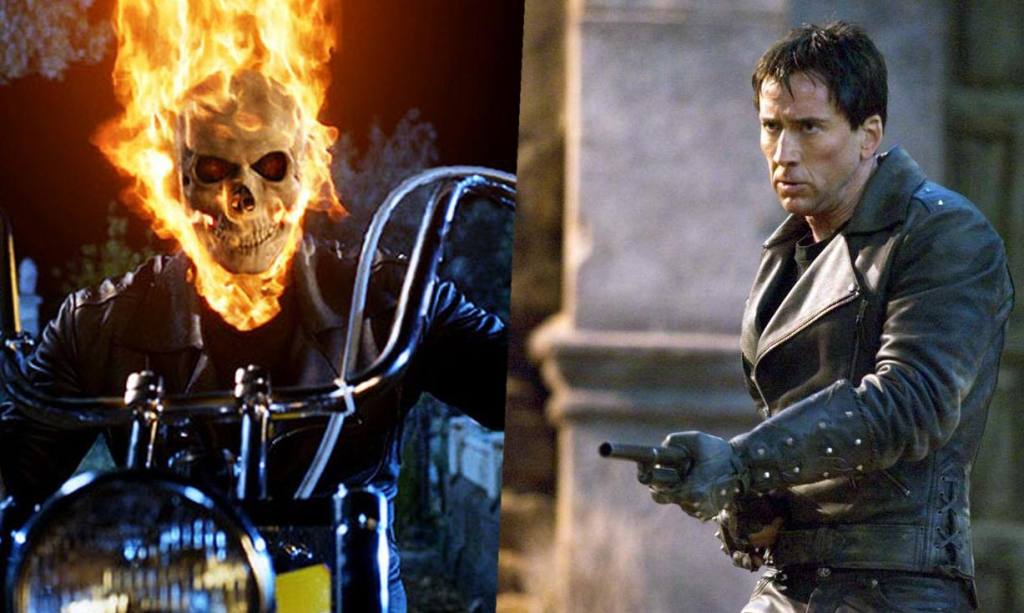
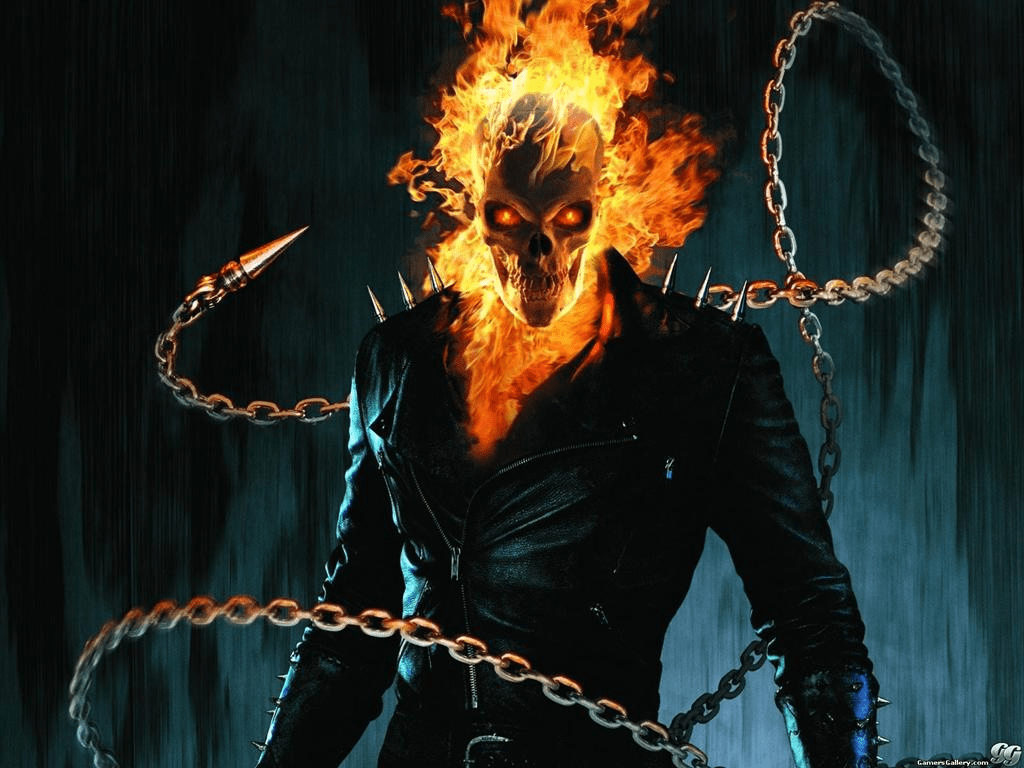
After making a fateful agreement with the demon lord Mephisto, the former motorcycle stunt driver turned spirit of vengeance known as Ghost Rider opposes his benefactor and rides his burning motorcycle, doling out retribution to the souls of all those who would destroy the planet.
Johnny Blaze is driven to seek out vengeance against evil since he is under the control of the demon Zarathos. He uses his penance stare and superhuman hellfire to burn the souls of the evil. Ghost Rider’s human side would do anything to be free of his curse, but in the interim, he’s going to put a lot of wicked people through hell.
Spirit of Retribution
Johnny Blaze was raised in a stunt driving household. After Naomi, Johnny’s mother, abandoned the family, Barton Blaze raised Johnny and his siblings by himself. Later, Barton perished during a stunt, and Johnny was taken in by Crash and Mona Simpson, two further stunt drivers. Over time, Johnny developed love feelings for Roxanne, his adopted sister.
Johnny turned to the occult to try to heal his stepfather’s cancer when he was near death. Johnny, who thought he had called forth the real Devil from the Bible, had really called forth the demon lord Mephisto and had exchanged his soul for Crash’s life.
The devil always lies is the first rule. Crash was temporarily healed, however he passed away soon after due to a stunt gone wrong. Only Roxanne, Johnny’s girlfriend, intervened in time to briefly stave off Mephisto when he came to retrieve his soul.
Mephisto cursed Johnny by joining him with the demon Zarathos as a final act of contempt before departing, changing Johnny into the blazing spirit of vengeance, Ghost Rider.
Eldritch Strengths
Ghost Rider employs a variety of magical skills to exact revenge on the evil and protect the innocent. He learned how to use the Penance Stare, his primary weapon, from his brother Danny Ketch. Ghost Rider makes the guilty individual relive all the wrongdoing they’ve done to anyone else through the years by peering into their soul. The victim is rendered forever catatonic by this glare.
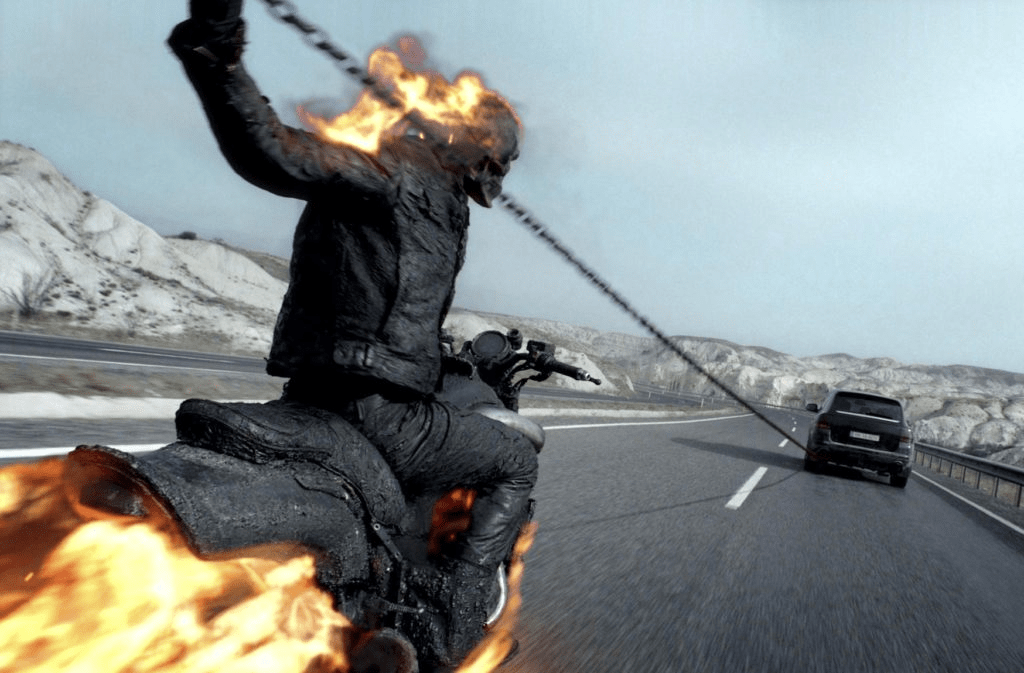
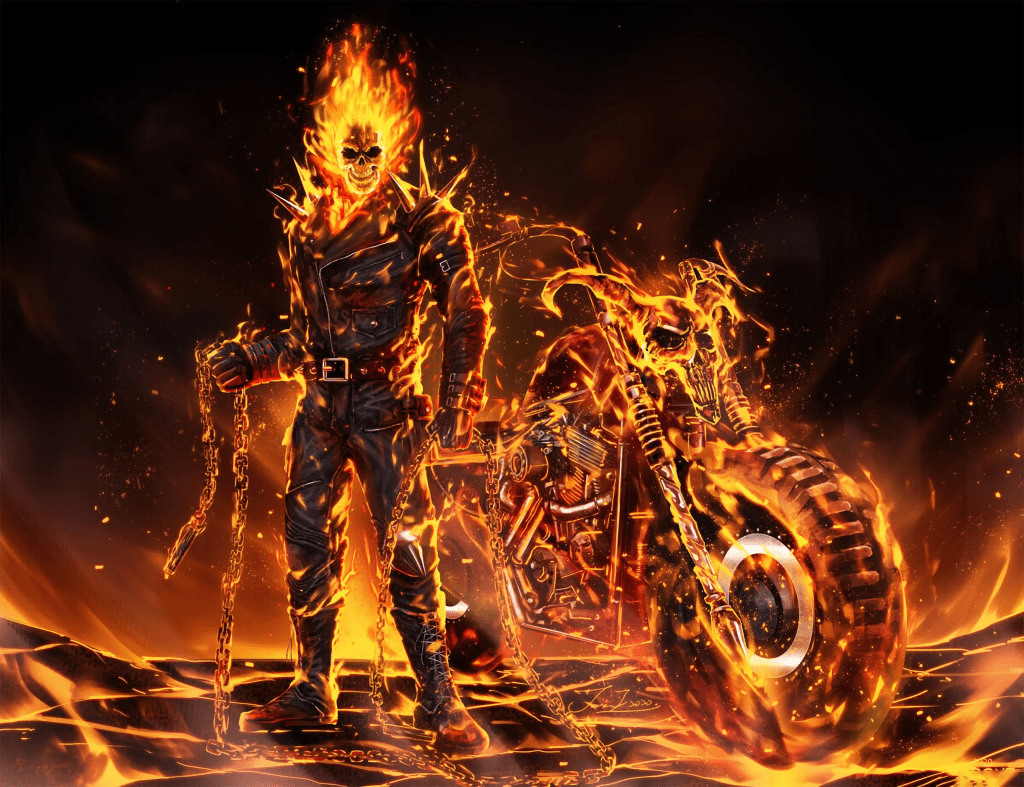
A mysterious, metal chain steeped in hellfire that Blaze can employ as a weapon and to tie his opponents is another aspect of Ketch that Blaze gradually adopts. Johnny is capable of creating a vehicle out of nothing or infusing any motorcycle with hellfire. Regardless of his strategy, Ghost Rider lives up to his name.
Finally, Ghost Rider possesses superhuman strength. Zarathos, the demon inside Blaze, is among the most powerful demons, which enables Ghost Rider to battle the toughest beings in the universe when necessary. Only the human host prevents the demon from gaining full power.
Punishment Stare
A magical entity that despises evil is certain to have many adversaries inside the material world, and Ghost Rider has more than enough to deal with.
Mephisto’s deceptions, which followed demonic trickery, are what caused Johnny Blaze to first become the Ghost Rider and his stepfather’s passing. Mephisto embodies everything Ghost Rider opposes, which is why Johnny and Mephisto are sworn foes.
Johnny Blaze’s inner monster, Zarathos, is what transforms him into Ghost Rider. The revenge demon’s curse stops Johnny from leading a regular life and forces him to continuously hunt down villains to punish. Johnny fights off Zarathos’ darkest impulses, yet he still longs to be free of the monster.
Blackheart, a formidable enemy demon, has made it his personal goal to put an end to Ghost Rider and his heroic endeavours.
Midnight Pals
Despite his curse and relentless purpose, Ghost Rider manages to find allies and even friends in the shadows.
One of the most notable of these is Danny Ketch, the Ghost Rider who pursued Blaze after his initial experience with the curse and who is later discovered to be Blaze’s brother. Although they may find themselves on opposing sides, they frequently work together and have close family ties. After witnessing his brother utilise these techniques, Johnny even adopts Danny’s use of a hellfire chain and the Penance Stare.
The Champions are the name of the first super-team that Ghost Rider joins. Hercules, Black Widow, Angel, and Iceman are among the members of this transient group who become good friends with Johnny.
A loosely-knit team of anti-heroes who battle supernatural powers is known as the Midnight Sons. The founding members are Johnny Blaze and Danny Ketch, together with Morbius, Daimon Hellstrom, Jennifer Kale, Werewolf by Night, Topaz, and the Black Cat. Doctor Strange has also occasionally helped the Midnight Sons.
Robbie Reyes, the newest Ghost Rider, is mentored by Johnny, who assists Robbie in balancing his contradictory character and ensuring that goodness triumphs over evil. Robbie receives an open offer from Johnny to see him whenever he wants something.
Both Daimon Hellstrom and Ghost Rider were created as agents of the underworld, but both later turned on their creators and fought evil rather than serving it, which gives them both a lot in common. Many times when demonic threats are present, Daimon and Johnny work together.
Traded his soul for a bicycle.
Johnny was made to serve Mephisto as the Ghost Rider, changing into the character whenever evil was present and punishing evildoers. But occasionally, Johnny’s true human self would win out, enabling him to rescue innocent lives in the process.
Along with Angel, Iceman, Black Widow, and Hercules, Ghost Rider became a founding member of the superhero group known as the Champions. He collaborated with other sinister anti-heroes who had a similar aesthetic, such as Werewolf by Night, Daimon Hellstrom, Morbius, and Man-Thing.
After enduring the Ghost Rider’s curse for a while, Johnny discovered that Centurious, an eternal mystic and Mephisto’s minion, had captured his soul in crystal. With the last of its power, Zarathos broke the crystal, releasing Johnny’s soul and severing their connection so that he might resume living normally.
Wherever he could, Johnny proceeded to roam the planet and save the lives of the defenceless. After being freed from his curse and reunited with Roxanne, Johnny made up his mind to pop the question. They got married, had Craig and Emma as their two children, and she agreed. They even bought a circus, however, fittingly for Blaze’s life, it was full of ghosts.
Johnny eventually ran into Danny Ketch, the following Ghost Rider. When Johnny initially realised Zarathos had joined with a new host, he was frightened and made an attempt to kill Danny. By the time their fight was over, Johnny had discovered that Danny was Ghost Rider in a different way than he had previously been, and the two had formed an alliance. This came about just in time since it required the two of them to defeat the threat of Blackout.
The Spirits of Vengeance, a pair made up of Johnny and Danny, was then created. While still a human, Johnny developed a penchant for riding a fiery motorcycle similar to the one he rode as Ghost Rider and began to carry a mysterious shotgun loaded with hellfire shells. What’s more, he discovered that Danny was in fact his biological brother.
Blaze, who was heartbroken by Roxanne’s death at the hands of the demon Hellgate and the kidnapping of their children, decided to find and kill everyone involved. He eventually located his kids, only to re-lose them. They later passed away for reasons that are unknown. Blackheart, Ghost Rider’s archenemy, had Roxanne revived as the entity known as the Black Rose, but she died once more without a fight.
Zarathos, never one to remain down for long, revived himself inside Johnny, and Blaze was once more the Ghost Rider. Since this new form was initially brutish and unthinking, demons were able to seize him and bring him to hell, finally making good on the promise he had made to Mephisto.
When Johnny was in hell, the angel Malachi appeared to him and promised him a way out, along with his soul, if he would find a demon by the name of Kazann. He had to reach Kazaan before the archangel Ruth, who, if she discovered Kazaan first, would destroy the planet.
But it was all a ploy because Malachi needed Kazaan back before he could forcefully reveal this conspiracy to Ruth because the two were brothers who were plotting against one another in both heaven and hell.
Johnny at last made it out of hell. Unfortunately, Lucifer also fled with him and dispersed among hundreds of people, necessitating the deaths of every single one of them at the hands of Ghost Rider in order to send the devil back to hell.
Ghost Rider engaged the Hulk in combat while seeking for these pieces of the monster’s vengeful assault on humanity. The demon was restrained by Johnny’s presence inside Ghost Rider and was unable to overpower the green monster. However, Johnny eventually located the last piece and sent Lucifer to hell.
Together with Kid Blackheart, Daimon Hellstrom, and Danny’s sister, Sara, Ghost Rider battled the angel Zadkiel, who had declared himself God on earth. While doing so, Johnny was visited by the ghosts of his deceased wife and kids and offered his life in order to fight Zadkiel. Ghost Rider’s soul would be at peace if it weren’t for a scheme by the Kingpin to revive Johnny.
Then a mystery figure named Adam came up to Johnny and promised to take the curse from him and give it to an unidentified stranger. As a result of Johnny’s acceptance, Alejandra Jones became the recipient of the curse.
To save his own wicked existence, Mephisto pleaded with Johnny to find the next Ghost Rider and re-take his curse. Mephisto then reappeared to Johnny and declared that Johnny’s choice had destroyed the world.
After a struggle in hell, Johnny was able to persuade Alejandra to give up on her mission and reclaim the title of Ghost Rider, however a trace of the demon lingered inside of Alejandra. When Johnny next saw a Ghost Rider, it was actually two: the good Robbie Reyes and the bad Eli Morrow. Robbie received help from Johnny in regaining control of himself and preventing the evil part from winning.
However, less than ten years later, Jean de Carrouges and Jacques Le Gris engaged in a well-publicized battle to the death on a field in Paris. In the nonfiction book The Last Duel from 2004, Jager detailed the breakdown of the friendship between the former friends as well as the lady and rape claim at the heart of the argument.
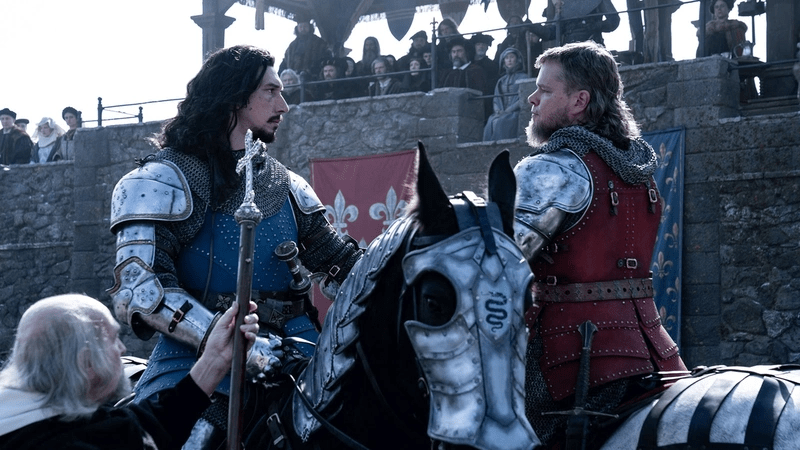
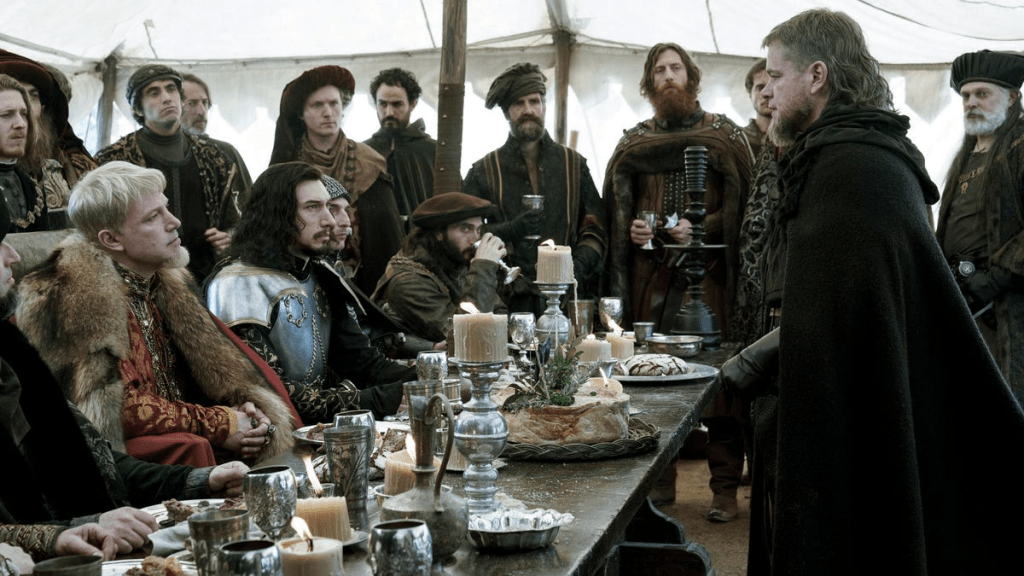
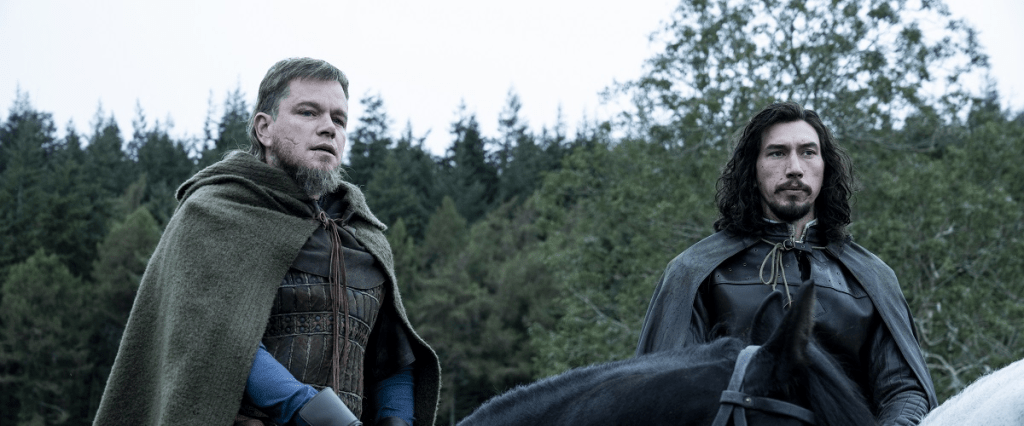
Now, a hugely successful movie by the same name is based on the true story of the 1386 trial by battle. The film, which was directed by Ridley Scott, stars Matt Damon as Carrouges, Adam Driver as Le Gris, and Jodie Comer as Marguerite, Carrouges’ second wife.
In addition to starring as a feudal lord and friend of both the principal protagonists, Ben Affleck also co-wrote the script with Matt Damon and Nicole Holofcener.
Carrouges and Le Gris kept a wary eye on one another on December 29, 1386, in front of a multitude that King Charles VI of France was presiding over. Watching from the sidelines, Marguerite, who had accused Le Gris of raping her, was acutely aware that her husband’s defeat would be seen as evidence of perjury, vindicating her attacker and ensuring her execution by burning at the stake for the crime of bearing false witness. She was dressed entirely in black.
In the moments before the battle, Carrouges remarked to Marguerite, “Lady, on your evidence I am about to chance my life in combat with Jacques Le Gris.” You are aware of the justice and truth of my cause. My Lord, it is as you say, and you can battle with confidence because the cause is just. Le Gris’ trial by fight therefore got under way.
Before The Last Duel opens on October 15, here is all you need to know about the real history behind it, from the rules of trial by combat to the punishment of sexual abuse in mediaeval society. Spoilers follow.
Who participates in The Last Duel?
A brief introduction to mediaeval France The king, who received guidance from his royal council, the Parlement of Paris, was at the top of society. Barons, knights, and squires made up the three basic classes of aristocracy beneath him.
In addition to owning land, barons like Affleck’s character, Count Pierre d’Alencon, frequently served as feudal lords, giving vassals—a phrase for any man sworn to serve another—property and protection in exchange for their services.
Squires were one level below knights, but individuals in both classes frequently worked as vassals for overlords who held higher positions. (Le Gris and Carrouges first served the Count Pierre as squires and vassals, but Carrouges was knighted in 1385 for his military service.) Warriors, priests, and workers were at the bottom of the social scale and had few political rights or sway.
Does The Last Duel have a real-life basis?
Simply said, absolutely. As they portray Marguerite’s rape and the events that followed it from the perspectives of Carrouges and Le Gris, respectively, the first two chapters of the three-act movie, which were written by Damon and Affleck, substantially rely on Jager’s research. (Jager provided comments on the movie’s script, recommending historically appropriate wording and other adjustments.)
Holofcener’s third and final chapter, which is narrated from Marguerite’s perspective, concludes the book. This section “is somewhat of an original script,” as Damon tells the New York Times, “because that universe of women had to be almost built and imagined out of whole cloth.”
The movie version follows the trio’s relationship from its happy beginnings to its bloody conclusion. Following Marguerite’s rape, Carrouges asks the French court to hold a judicial combat trial for Le Gris.
(Jager says that the “ferocious logic of the duel meant that proof was already latent in the bodies of the two fighters, and that the duel’s divinely assured outcome would reveal which man had swore falsely and which had told the truth in a piece for History News Network.)
If Marguerite’s husband loses the duel, “proving” both of them guilty, she will be beheaded as the main witness in the case.
The movie doesn’t provide a sympathetic portrait of either of its leading men, much like Jager’s book doesn’t. Le Gris portrays himself as the Lancelot to Marguerite’s Guinevere, saving her from an unpleasant marriage, whereas Carrouges sees himself as a brave knight protecting his wife’s honour.
The true nature of the men’s characters only becomes apparent in the film’s concluding scene, when Marguerite is given the opportunity to speak for herself: Carrouges, a “jealous and combative man,” as described by Jager, is primarily focused on preserving his own ego.
Le Gris, “a large and powerful man” with a reputation for womanising, is too conceited to see the unwelcome nature of his advances and too self-assured to think that Marguerite will carry out her threat to seek retribution after the act is done.
A representative informs Marguerite in the movie’s trailer, “The punishment for giving false testimony is that you are to be burned alive.” She replies, teary-eyed but resolute, “I will not be silent.”
The movie’s various perspectives highlight how difficult it was to know the truth about Marguerite’s case, which split observers both at the time and over the years.
Some said that she had implicated Le Gris unjustly, either by mistaking him for someone else or by acting at her vengeful husband’s direction.
Diderot and Voltaire, two enlightenment philosophers who opposed Le Gris’ “barbaric and unjust trial by battle” as an illustration of “the imagined stupidity and savagery of the Middle Ages,” supported Le Gris’ case, according to Jager.
This idea was repeated in other encyclopaedia entries, which seemed to confirm Le Gris’ guilt.
For his part, Jager tells Medievalists.net that “if I had not believed Marguerite,” he “never would have begun on writing this book.” Jean Le Coq, Le Gris’ attorney, may have best summed up the situation when he wrote in his journal that “no one actually knew the facts of the matter.”
What incidents is The Last Duel a dramatisation of?
Born into a high-born Norman family in the 1330s, Carrouges met Le Gris while both were serving as vassals to Count Pierre. Le Gris was a lower-born man who progressed through the ranks due to his own political acumen.
They had a close relationship that soured when the count showered Le Gris with generous presents of money and territory, inciting Carrouges’ envy. The once-friends developed a fierce animosity that was fueled by Carrouges’ numerous unsuccessful legal arguments.
Carrouges and Marguerite first met Le Gris in 1384 while attending a friend’s party. The men welcomed each other and gave each other a bear hug after appearing to put their issues behind them. Carrouges instructed Marguerite to kiss Le Gris “as a show of renewed peace and friendship,” according to Jager.
The occasion served as the setting for the first encounter between Le Gris and Carrouges’ wife, who was described as “beautiful, good, sensible, and modest” by a contemporary chronicler. The two guys were in their late 50s at this point, making Damon almost exactly the appropriate age for the part but Driver a good generation off.
It’s uncertain whether Carrouges and Le Gris genuinely reconciled at this time. But Marguerite undoubtedly left an impression on Le Gris, who probably still harboured animosity for his litigious old friend: In January 1386, after meeting the freshly knighted Carrouges, Le Gris dispatched Adam Louvel, a fellow courtier, to watch over Marguerite, who had been left behind with her mother-in-law while Carrouges journeyed to Paris.
All that was lacking for Le Gris at this point was an opportunity, as Jager puts it: “With a motivation, revenge against the knight, and a means, the seduction of his wife.”
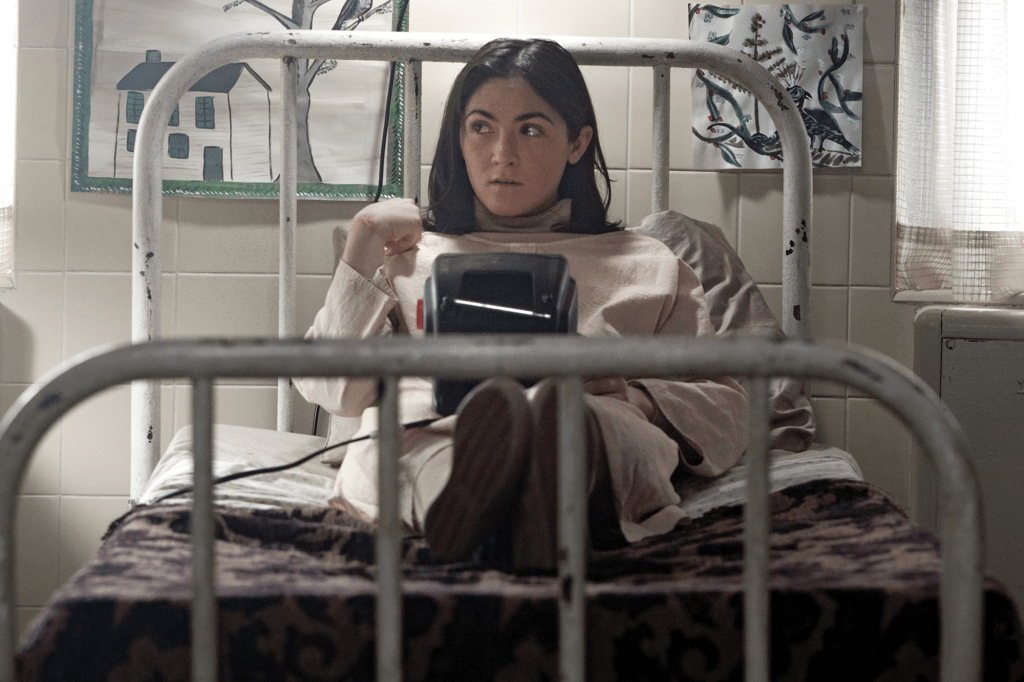
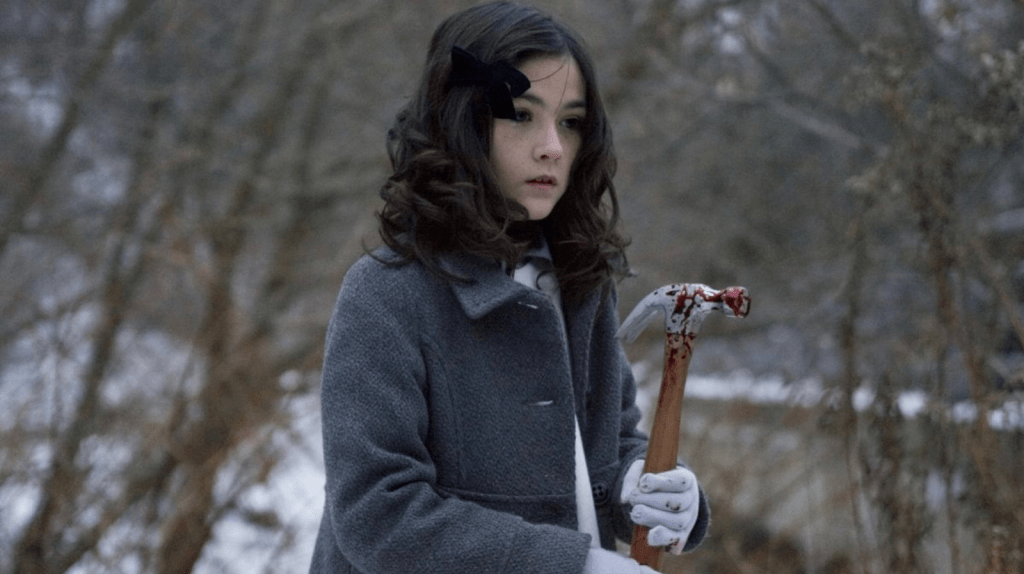
In 2009, Orphan, a rollercoaster ride with a twist that few viewers saw coming, became something of a cult favourite in the horror genre. (Say it with me, you didn’t either.) Now, more than ten years later, Isabelle Fuhrman is back in the prequel Orphan: First Kill as Esther, prepared to wreak more havoc on unwary families who take on far more than they bargained for.
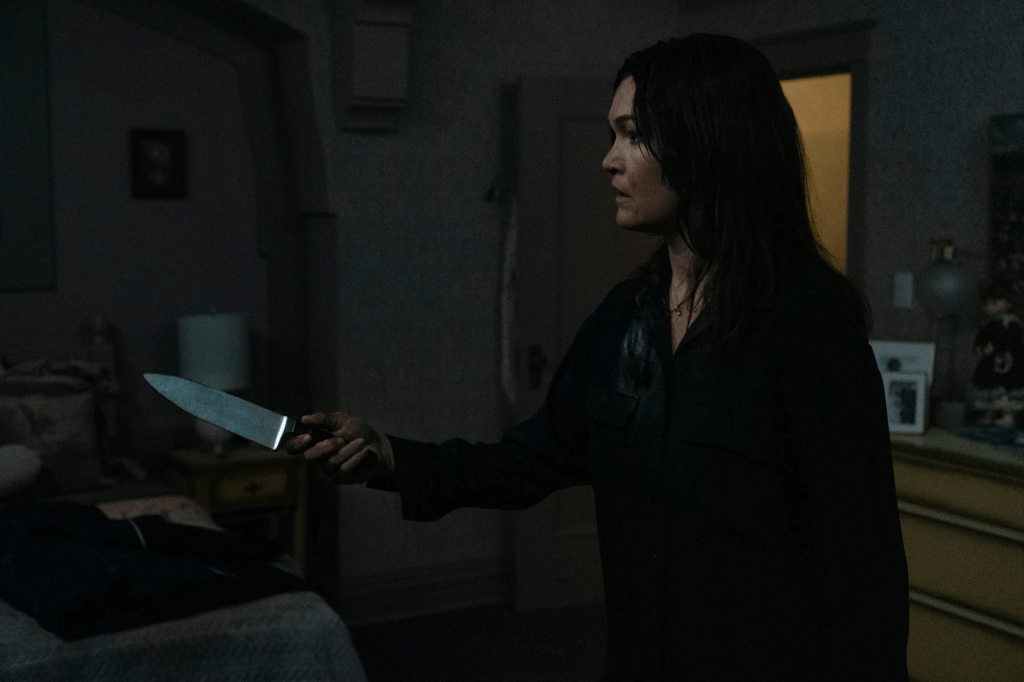
Esther is this time pretending to be Tricia Albright, the kidnapped daughter of affluent Americans Allen and Tricia Albright (Julia Stiles and Rossif Sutherland). This begins yet another story of changing identities, plot twists, and violence.
David Coggeshall wrote the script for First Kill, which sees The Boy director William Brent Bell taking over. The official summary is as follows: Although Esther’s secret is now out, there is more to the insane young girl than first appears.
In order to hide her identity while evading capture, Esther assumes the identity of a lost American child whose mother is the matriarch of one of the richest families in the country. Will Esther’s need for blood sever the close links to the family, or will she learn that even a mother will go to great lengths to protect her children?
With a delectably trashy twist, “Orphan: First Kill” surpasses its predecessor.
To say that the new Orphan prequel’s amorality is refreshing would be an exaggeration, but not by much. The horror film Orphan: First Kill, which was directed by William Brent Bell, is largely devoid of contemporary pretences. No real effort is made to add pseudo-sociology to the film’s body count as an immediate mea culpa.
We are not pounded over the head with a concept that has long been inherent to the genre, like trauma, in order to satisfy our blood lust. Lean and cruel, Orphan: First Kill is at least unafraid of its trashiness, if not entirely aware.
First Kill begins with the twist that made the previous movie, 2009’s Orphan, so wonderful. The twist in this movie, which I shall cover in this review, manages to top that one. Your spoiler alert is now active.
Leena, played by Isabelle Fuhrman, serves as the franchise’s protagonist. She is the Jason or Freddy of this series, but First Kill in especially prioritises her perspective, making her the unofficial protagonist.
To name someone who uses her bare hands to kill and sneaks a dead mouse into her adoptive mother’s smoothie a “antihero” seems weird, but here we are. Leena is essentially a living Chucky doll. A
staff member at the Estonian mental institution where she is being confined at the beginning of the movie says that she has a “gland condition” that results in “proportional dwarfism,” which is why she looks like a toddler.
He says, “Leena uses her affliction as much as she suffers from it.” She’s a particularly skilled con artist. As we discovered in the previous film, she is very skilled at slipping into people’s lives. (The shock was that the entire time her adoptive family and the audience were led to believe she was a child, she was actually an adult.)
After breaking out of the facility in the style of Michael Myers, Leena is portrayed by Fuhrman (who is actually 25) with mercurial nuance. Leena practically spits and claws her way through the movie.
She has the same boogeymen-like power as him to disappear from view before appearing out of nowhere, as she does before maiming the art therapist whose car she hid in to get away. She searches the internet for missing children and, wouldn’t you know it, finds she’s a ringer for a missing youngster out of Darien, Connecticut, called Esther.
As if apparent teleportation wasn’t ridiculous enough. Leena decides to change into Esther in order to leave her country/situation, and all it takes is a few ribbons to hide her decidedly mature hesitation marks.
In order to bring what we assume to be her long-lost child of about four years home to Tricia (Julia Stiles opulent)’s estate, which also happens to contain Fabergé eggs and an unauthorised rat (though it is rather clean and cute vermin; guess they just make them differently in Connecticut), Tricia swings by Russia.
Leena-turned-Esther is up to her usual antics, or since this is a prequel, I guess they are new antics that she will soon repeat, including watching her parents make out, yearning for her father figure Allen (who is, to be fair, the incredibly Zeddy Ross if Sutherland), and berating her brother. She learns about Esther through her journal and plays ominous notes on the piano that properly express her rage.
Leena erred in her estimation, presuming Esther really did go missing. As it turns out, Leena chose the best mother to place her in the motherfucking incorrect spot.
Tricia, who assisted her son Gunnar (Matthew Finlan) in covering up his sister’s death and then reporting her missing, claims that Esther is not missing but rather deceased as a result of “some sibling crap that went too far.” (This story aspect unquestionably drew inspiration from one of the 26-year-old JonBenét Ramsey conspiracy theories.)
Tricia, then, was always aware of Leena’s con, but she nevertheless participated out of duty to her family. I laughed at this revelation. It made me smile even more than I did when the incredibly ridiculous twist from the previous movie was revealed.
When a movie deceives you so artfully and then, after realising it did, makes a quick shift to fix its problem, it’s like getting a dopamine boost. What a situation it is in. It is obvious that Tricia requires Leena’s Esther persona far more than Leena does. The apparent reunion of Esther mends a long-broken family.
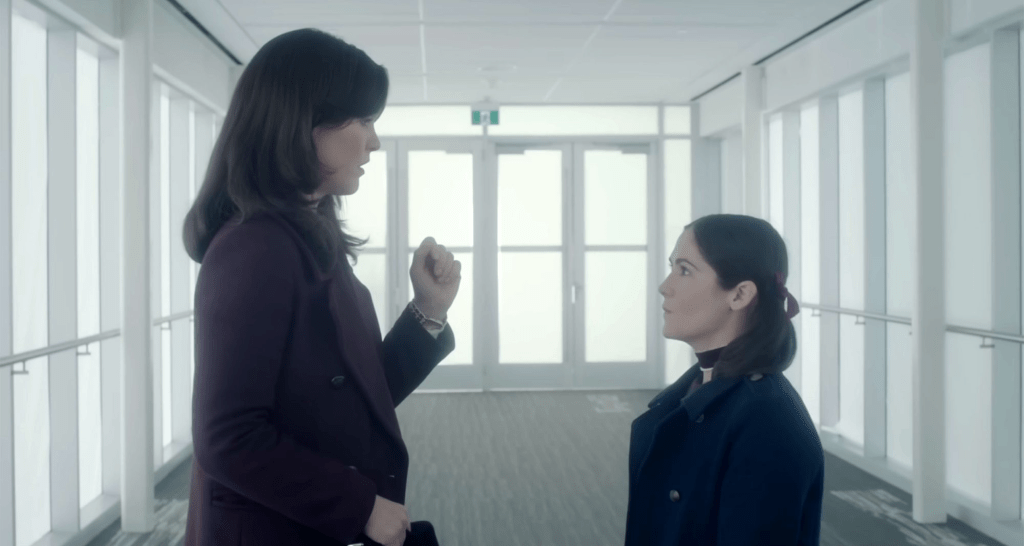
Tricia remarks regarding her relationship with Allen, “It seems like when we got Esther back we got ourselves back too.” Happy life, happy husband. Tricia tells Leena, “You selected this part, and now you’re going to fucking play it.” Leena, who does not want to return to the hospital where she was held captive, goes along with the plan.
It turns out that LEENA chose the appropriate mother to place her in the incorrect mother-fucking position.
This leads to a really meagre dual-scamming plot, which quickly falls apart because Tricia, no matter how strict and demanding she may be (and Stiles is so adept at capturing a dedicated mother/lying schemer duality), is no match for Leena’s psychopathy. Mega-grift can only last so long until Tricia and Allen’s house falls into decay once more.
Prior to it, though, Stiles utters some amazing lines, such as “Well, if you’ll excuse me, I’m going to go upstairs and fuck my husband,” and “All macaws are parrots, but not all fucking parrots are macaws,” in response to Leena’s misunderstanding of the circumstances surrounding Esther’s life. This is a conversation that begs to be quoted in the future by admirers.
The streaming version of Orphan: First Kill, which was released concurrently in theatres and on Paramount Plus, feels like it belongs there. The Orphan: First Kill cult will grow thanks to streaming.
First Kill has some interesting shots that capture Leena’s entry through Esther’s dollhouse and some poetic shots of Leena leaving bloody fingerprints on the piano she plays after striking her therapist with a type iron, despite the fact that its crudeness placed it firmly in the realm of b movies.
It makes references throughout, but never more so than at the film’s climax, which would only be a more overt allusion to the domestic thriller The Good Son if Macaulay Culkin himself appeared to assist in the resolution of the plot.
Gunnar threatens Leena with deportation, refers to her as a “illegal immigrant,” and says, “This is America—people like me matter.” Gunnar and Tricia both refer to Leena as a “freak” (a “deformed freak” and a “mutant grifter,” in the words of her would-be mother). First Kill’s xenophobia and ableism serve more to emphasise its status as exploitation-cinema nostalgia than to impart knowledge.
This family was screwed long before they ever brought their new pet home, much like the Peltzers in Gremlins. I’m not sure if the movie disagrees with Tricia when she tells Leena, “You’re a monster,” but you can bet your bottom dollar that Leena wins in the end. Being a monster is advantageous in this genre.
He cursed the doll The porcelain doll Annabelle was originally introduced to horror fans in the 2013 film The Conjuring, and she rapidly established herself as the star of her own franchise with the releases of Annabelle (2014), Annabelle: Creation (2017), and the most recent, Gary Dauber man’s Annabelle Comes Home.
The Annabelle and Conjuring movies by New Line are based on stories that paranormal researchers contend are accurate. With the most recent film, though, audiences might leave the theatre with more questions than answers. Fans have no way of knowing which of the movie’s haunted objects is based on a real one and which ones are just quick Hollywood scares.
The bridal gown
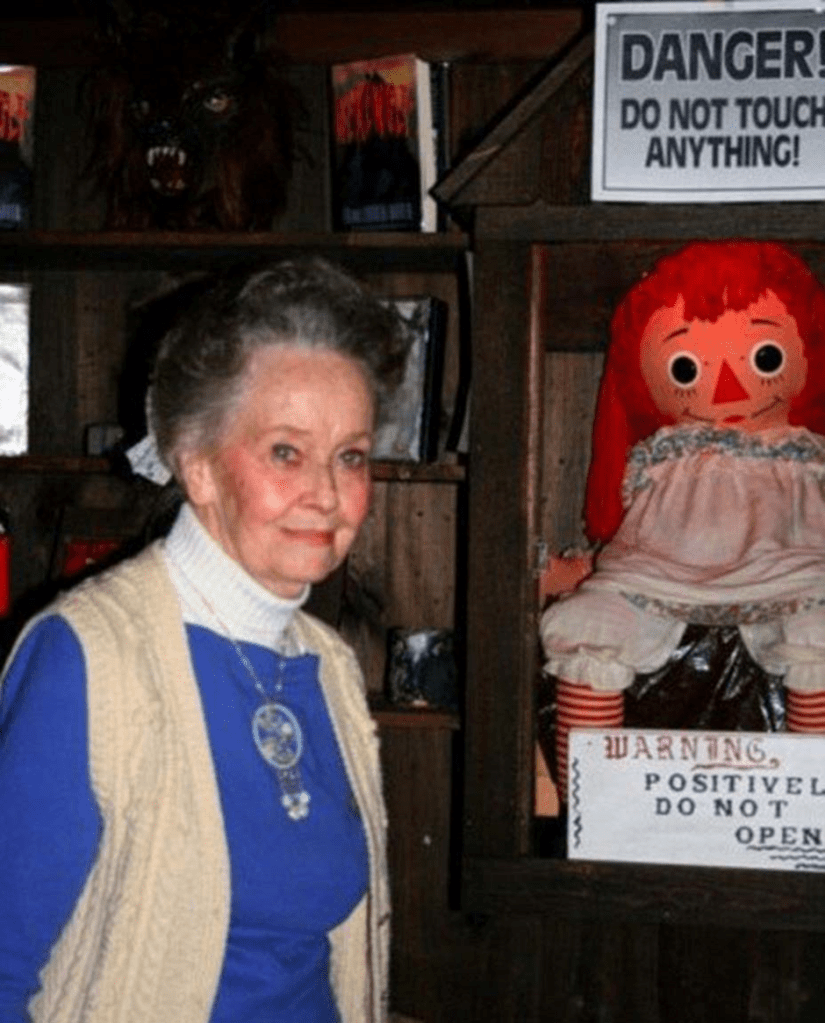
Tony Spera, the actual curator of the Occult Museum and the son-in-law of famed demonologists Ed and Lorraine Warren, was contacted by The Hollywood Reporter to conduct an investigation. Here, the museum’s curator from Connecticut explains how the latest movie differs from the legends that served as its inspiration.
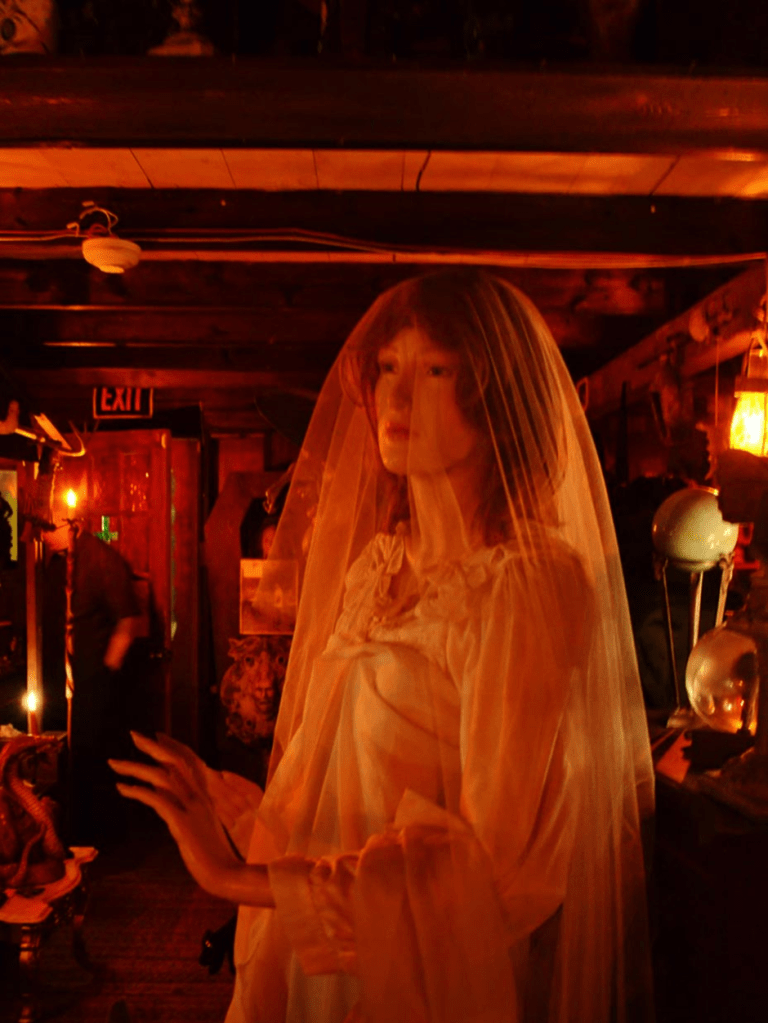
A wedding dress in a museum has a prominent role in the movie Annabelle Comes Home. The history of the fatal dress is explained during the first 30 minutes of the movie. The person who puts the dress on will undoubtedly kill her fiance. Spera disproves the history of the dress by stating that there is a white gown in the Occult Museum but it is unknown whether or not it has ever belonged to a bride.
Spera claims that the origin tale of the murderer fiance depicted in the gown is entirely fictitious and was only created to increase the film’s suspense factor on the big screen. The White Lady of Union Graveyard, Connecticut, according to the Occult Museum, is the official legend behind the white dress on display there. She has been seen for many years, according to Spera. Even lately, individuals have seen this figure.
Spera claimed that a young man by the name of Rod Vescey was one of the purported witnesses of the White Lady. After clocking off of work one evening in 2009, Rod was driving by Union Cemetery at around one in the morning. He was driving down Route 59 when all of a sudden, he sensed a presence forming in the passenger seat.
Rod surprised himself by spotting a man dressed in 1960s attire as he peered over his shoulder. Rod carefully turned to peer again after turning away in dread. When Rod turned to look, the object had disappeared as suddenly as it had appeared.
Refocusing on the road, Rod unintentionally glanced forward and noticed a woman wearing a white gown and a veil around 35 or 40 yards away. As if to signal “halt,” The White Lady, as she is known, raised her hand in front of her. Rod slammed on the brakes hard. When he did, the White Lady pounced on the car and sped straight through it. Rod noticed “a wisp of air fly by his right ear” after the ghost vanished, according to Spera, and he instinctively knew that it was she walked through the vehicle.
Once more, he peered out the window and noticed that his side of the street was tinged brick red, as if someone had painted it that colour. Rod reported that when the White Lady passed through him, he “had a sense of grief and sympathy, like she was trying to tell him something,” possibly trying to convey the awful circumstances surrounding her premature demise.
The White Lady allegedly materialised herself on another occasion when a transformer fire broke out on Route 25 to the point that she solidified. In response to a report, an off-duty police officer and a firefighter unintentionally hit the White Lady. The collision dented their pickup due to the severity of the hit.
The energy emanating from the transformers, according to Spera, “gave the spirit the energy to incarnate,” enabling the White Lady to take on concrete form that evening. Police and all of the neighbourhood hospitals were contacted, but no accidents were reported because there was no surviving lady. It’s thought that the White Lady of Union Graveyard was the woman the officers struck.
The Doll of Annabelle
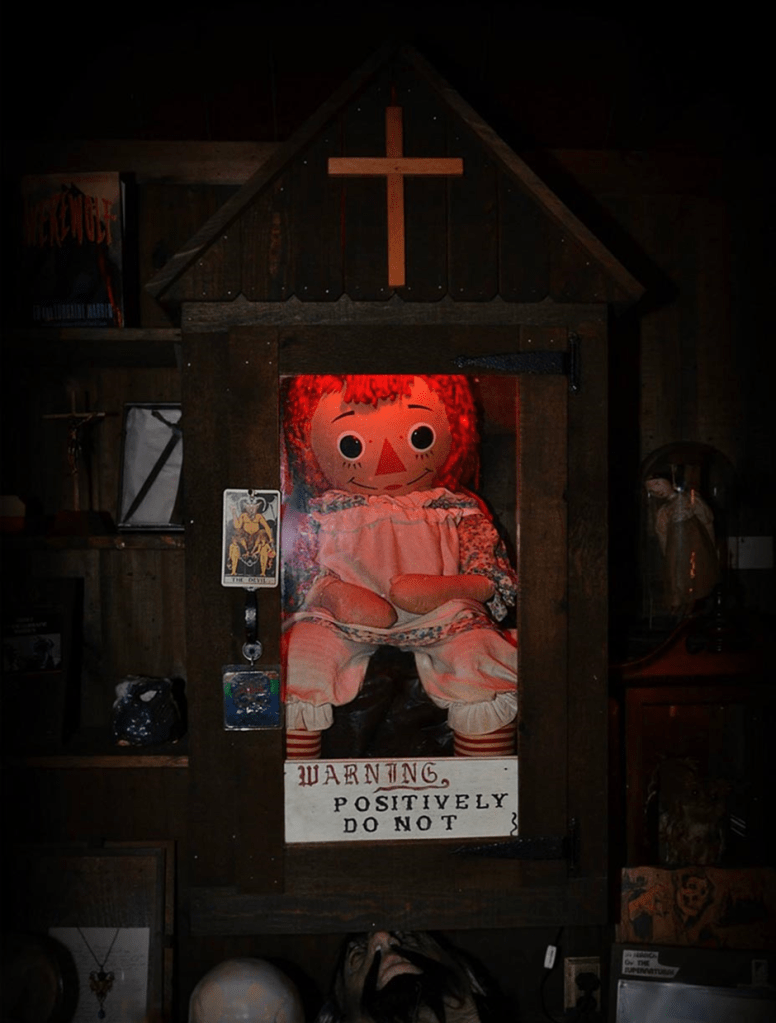
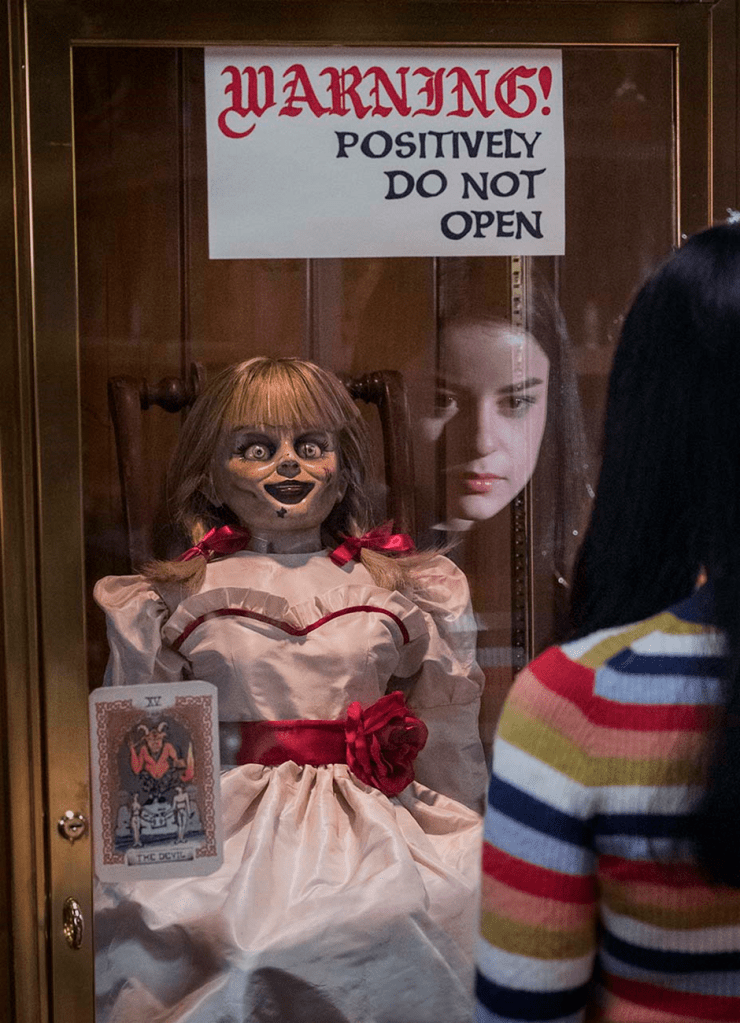
Spera claims that, at least in accordance with the museum’s mythology, the Annabelle doll is depicted in the movies authentically. The doll from the Occult Museum and Annabelle from New Line are mostly distinguished by appearance. Hollywood has spiced up the Annabelle movie that viewers have been conditioned to fear.
The Annabelle doll is not porcelain and has not large eyes in real life. It’s a Raggedy Ann doll that appears to be innocent. Whatever its appearance, the genuine doll is allegedly deadly.
When speaking about Annabelle, Lorraine Warren, who passed away earlier this year, told USA Today that appearances can be deceiving. The evil that has been injected within the doll is what makes it frightening, not how it looks.
The genesis tale for Annabelle in the movies is very different from the one that the museum keeps up. In Hartford, Connecticut, two nurses cohabited in the nonfiction version of Annabelle. The Raggedy Ann doll was given to one of the nurses in 1970 by her mother. Spera thinks the mother bought the doll from a used-goods shop.
The moment she opened the gift, strange things started to happen in the flat. If the nurse left the doll on the couch, she might come back to discover it sitting in her bedroom. On other occasions, she would leave the house knowing that she had left Annabelle’s legs uncrossed only to return to find them crossed.
The nurses got worried about the inanimate object’s slight movements, especially after they found parchment paper spread throughout the flat with the words “help me” written in crayon. The women had no parchment paper stored in their building, therefore they had no idea where it came from. The parchment notes were insignificant in light of what would follow.
Spera claims that “Annabelle’s two frail tiny cloth arms levitated onto the table” one morning as the nurses were dining in their breakfast nook. The nurses seemed strangely drawn to the doll when the stunning paranormal activity occurred. One of the nurses assumed the doll was attempting to contact the roommates based on the doll’s behaviour, so she made a call to a psychic for guidance.
The medium rapidly conducted a seance after immediately stepping in to help the nurses. According to Spera, the psychic who presided over the ritual claimed to be “feeling the spirit of a young girl of 6 or 7 years old.” The psychic continued by revealing that the kid was killed in a car accident outside of this apartment complex. The psychic said, “Her name is Annabelle, and she’s in that doll.” That is how Annabelle got her name.
The nurses began treating Annabelle more like a person than a doll after considering what they had heard, thinking that a human spirit was living inside the doll. Everything was going smoothly for a while, but then one night Lou, the nurse’s fiancé, was found asleep on the couch with Annabelle purportedly sat on the other end.













 Hollywood Movie