Plot Summary for Unforgiven
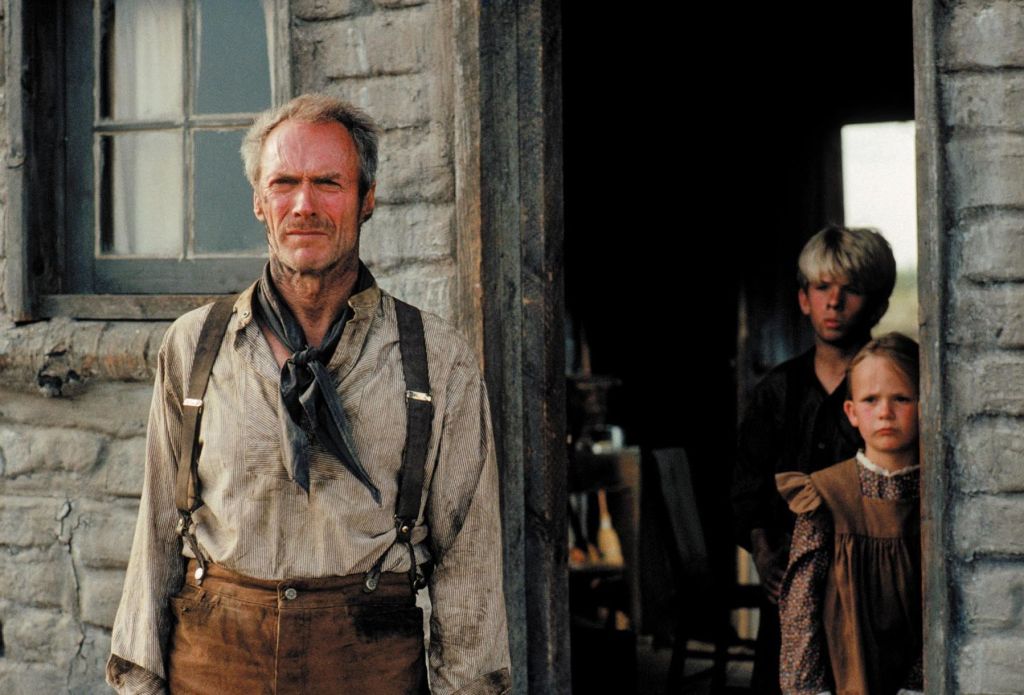
The groundbreaking 1992 western film “Unforgiven” was directed, produced, and starred Academy Award winner Clint Eastwood. It was written by David Webb Peoples.
A former brutal cowboy who is seeking forgiveness while coping with the complicated aspects of his life that were obscured by his unquenchable thirst for power and vengeance is the subject of the film.
The main character of Unforgiven is William Munny, a former gunfighter who does one more assignment decades after leaving and transitioning to farming.
His violent, enigmatic past is expertly concealed in a brilliant piece of cinema, lending his performance a sense of dread and gloom.
Eastwood’s stone-eyed, straight-faced approach enables us to really connect with his character as we enter the world of his tortured conscience in addition to the horrible crimes and inhumane atrocities he committed as a young man.
William distances himself from everything in his past in order to free himself from the tyranny of regret and any lingering flashbacks from his younger years.
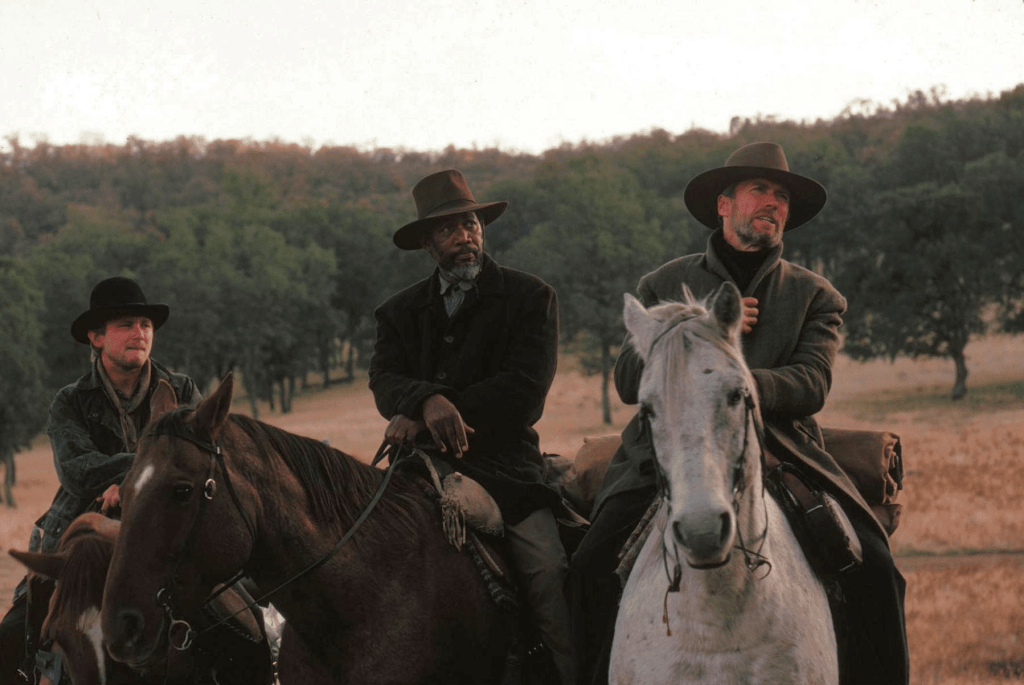
He revives his previous ego and spirit, which were tainted with wrath, sorrow, suffering, and despair, in one final act of savagery and anarchy, though.
You might be curious to know more about the film’s somewhat ambiguous finish due to the movie’s extraordinary realism in portraying the West and its rich and subtle parts of the morally complex plot. So let’s take a deeper look.
What was the source of the film’s inspiration?
According to rumours, Glendon Swarthout’s “The Shootist,” which was partly based on John Wesley Hardin’s narrative, served as inspiration for the screenplay.
In an interview, Clint Eastwood said that he intended to emphasise the point that the individuals who created the western aesthetic exaggerated the idea of the west.
He wanted to voice his viewpoint about the community’s romanticization of gunplay and violent crime.
What history does Munny possess?
When “Unforgiven” opens in 1880, Eastwood’s Munny appears to be an elderly ex-assassin who is now a devoted farmer raising two kids.
In the past, Munny was a vicious person who, as he claims in the film’s climax moment, had killed just about anything that could move or creep.
But Munny turned his life around, stopping his drinking and his aggression in addition to starting a family with the help of his late wife.
What sets off the turmoil in the film?
Delilah Fitzgerald, a prostitute who is traumatised by two cowboys in Big Whiskey, Wyoming, serves as the drama’s catalyst in Unforgiven. This event initiates the film’s plot.
Sheriff Little Bill Daggett is enraged when her brothel friends offer a reward for the death of the cowboys since he outlaws vigilantism in his town.
Munny discovers that straightforward new beginnings and fairy tale endings do not actually occur in the Old West when his ranch begins to disintegrate.
He reluctantly persuades his friend Ned Logan, a fellow bandit, to work with him as well as an adolescent sharpshooter known as The Schofield Kid to earn a reward for the murders of two farmers who disfigured and traumatised Delilah Fitzgerald.
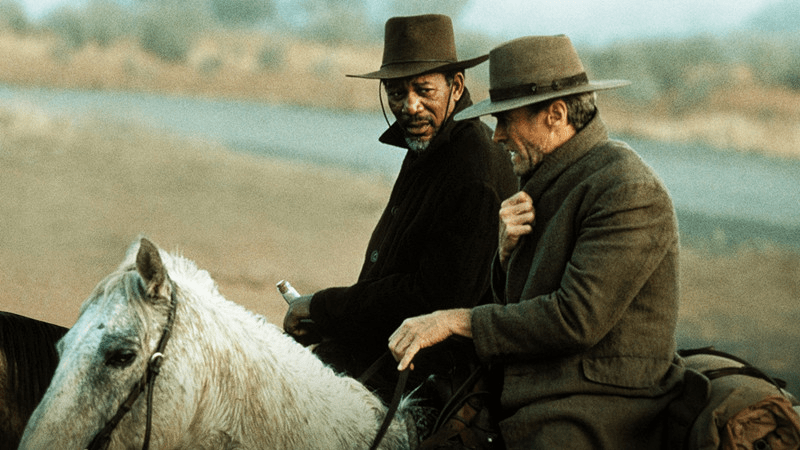
He is driven by a desire to protect his children and to give them resources.
The prize is sought after by two groups of gunfighters, who engage in combat with one another and the sheriff. Both groups are led by ex-bandit William Munny, who is now elderly, and florid English Bob.
What prompts the Schofield Kid to give up his dream?
When it comes time to eliminate Delilah’s perpetrators, Ned realises he is powerless to murder anyone, forcing Munny to step in and execute a man ruthlessly.
While Ned is able to go, Munny and the Schofield Kid pursue their other goals. Sadly, it leads to Ned being shot and killed when he is sheltering in an abandoned home.
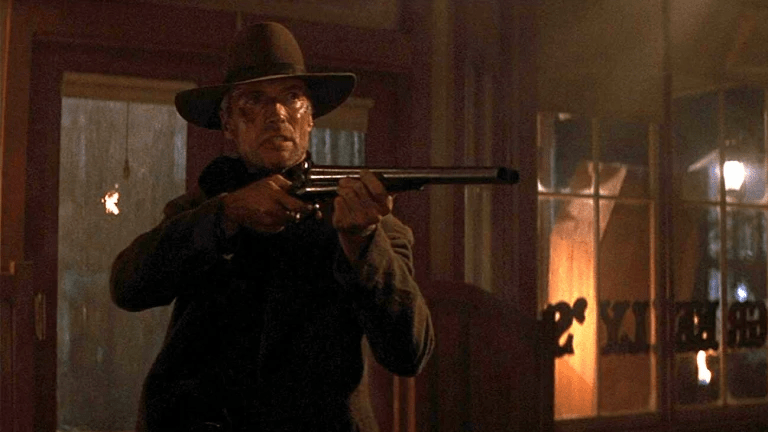
After the two win their prize, The Schofield Kid admits to Munny that he had never shot anyone before that evening and gives up the sharpshooter life since it’s a horrible reality in contrast to whatever illusion he may have imagined.
Does Munny succeed in murdering Bill?
Munny’s option of fleeing is ruled out by the fact that Little Bill learned his identify after catching and torturing Ned to death.
He also drinks alcohol for the first time since his spouse’s demise in order to settle his anxiety before the crucial action.
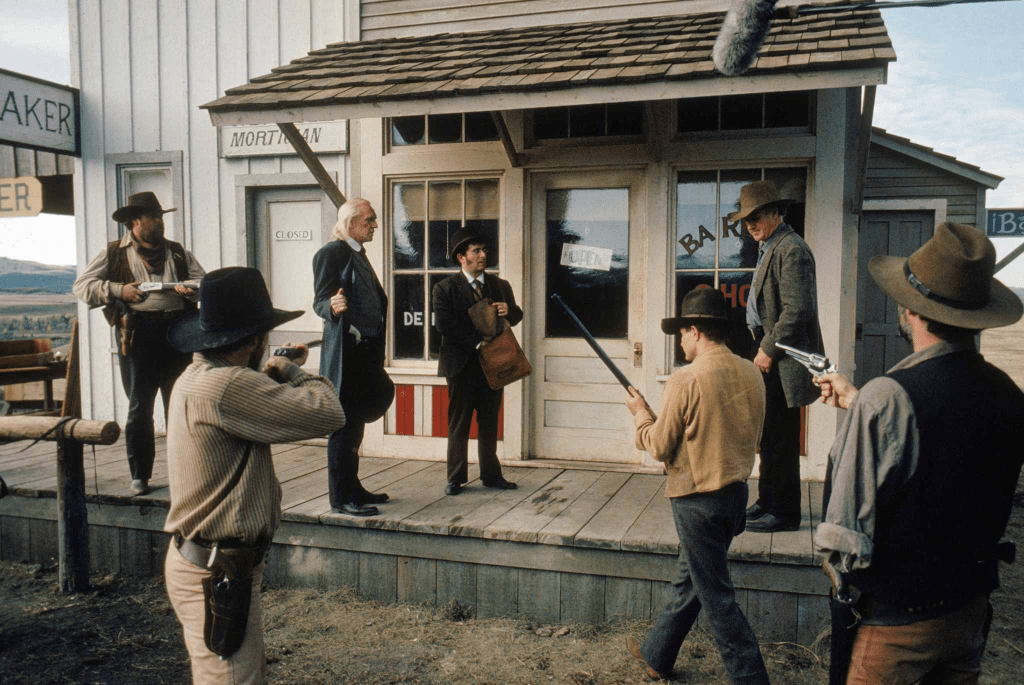
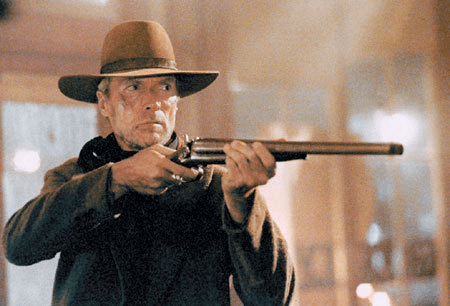
Little Bill and Munny’s last showdown is by no means a noble conflict. As they prepare to find and kill him and The Schofield Kid in the early hours, he instead attacks Little Bill and his team in the middle of the night.
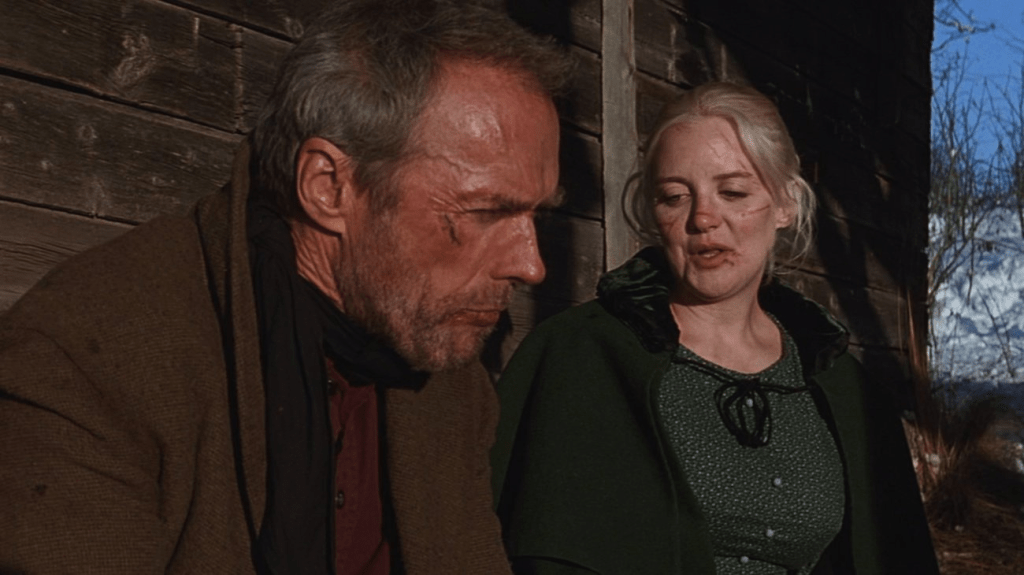
After killing Little Bill’s team and hurting Bill, Munny calmly shoots the owner of the parlour who is unarmed. Little Bill cries out that this humiliating fate is not something he truly deserves, but Munny sneers, “Deserve has nothing to do with it.”
What distinguishes this film?
The film contains material. Every character in the film, even the main antagonist, has a point of view.
The adversary thinks he is virtuous and making the right choices, even when he is in the wrong.
All of the characters in the film, including the supporting ones, have viewpoints.
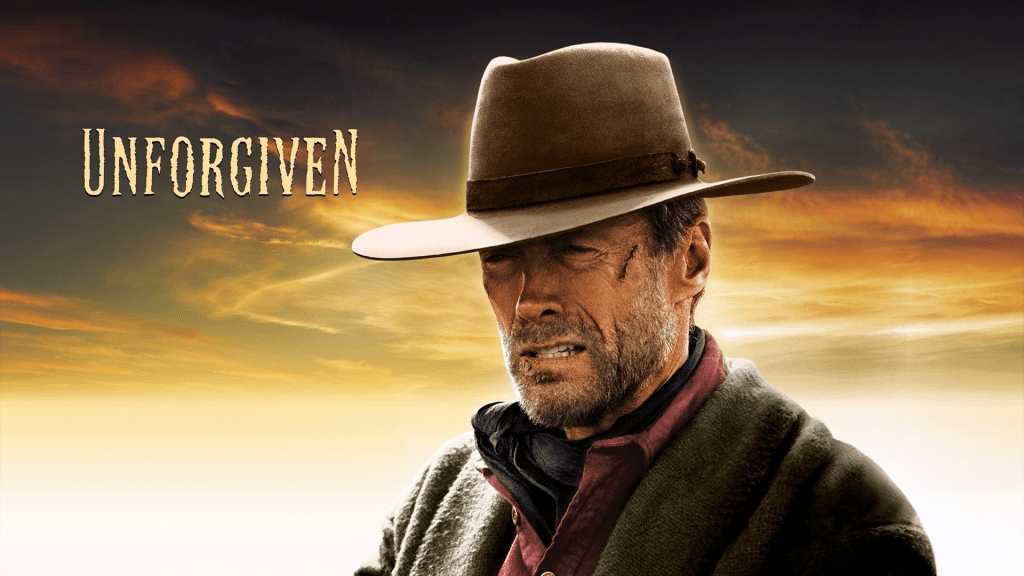
The protagonist of the film is not the usual “good figure”; rather, he is complex and morally ambiguous, which gives the film a more authentic feel and increases the audience’s ability to relate to it.
What is the main theme of the film?
Even though Munny is able to secure the funds he needs to maintain his two children, doing so comes at a heavy personal cost due to the unpleasant side of his character that he had previously concealed but has now risen to the fore.
Even though he had been forgiven by his wife, society, and most significantly by himself, Ned’s death ultimately destroyed the last vestiges of Munny’s “good” character.
He returns to the vicious society he had fled, but the temptation of his former habits is too enticing. He finally accepts that he is and has always been forgiving in the final moments.
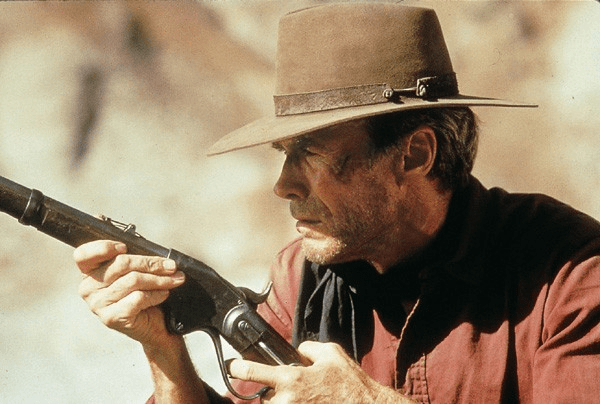
A common thread across all of the key characters is forgiveness. The women refuse to grant the cowboys forgiveness after Bill has punished them, and Bill is unable to forget English Bob’s past. In addition, the small youngster immediately begs for forgiveness after killing the cowboy.
Is there a happy ending to the film?
The main themes of the revisionist western film include what it means to kill someone and how a community is changed when people are slain, not merely the narrative, whether William Munny gets the bounty, or who is killed in the movie.
It illustrates the hopelessness of a life devoted to violence in a heartbreaking story. The film argues that the Wild West was an unfair place where those who survived gunfights weren’t always good or even competent shooters, but were instead the ones who could retain composure.
Unforgiven wasn’t the first western to attempt this, but it did strive to decrease the romanticised view of American history that the genre is renowned for. Even after Munny says his now-famous line in “Unforgiven,” the film is direct in making its point.

Little Bill replies, “I’ll see you in Hell, William Munny,” to which Munny merely snarls, “Yeah,” before shooting him dead and leaves the scene while telling the locals that he will return to kill them if they do not give Ned a decent funeral or harm any sex workers once more.
He then vanishes into the dark, rainy night, looking more like a ghost than a brave warrior whose acts had benefited everyone but himself.
The epilogue of the film then closes with a solemn shot of Munny standing next to his wife’s grave.
Additionally, everything about this scene suggests that, like the wild west legends, this glint of a “happy ending” is surely a fake, despite the on-screen text stating rumours that Munny eventually thrived in dry goods.
 Hollywood Movie